As homeowners seek innovative ways to enhance their living spaces, the topic of "How to transition outdoor furniture to indoor decor" gains momentum. According to a recent industry report from the American Home Furnishings Alliance, about 67% of consumers are now open to blending indoor and outdoor design elements. This trend reflects changing lifestyles and a desire for versatile home environments.
Transitioning outdoor furniture indoors offers endless possibilities. Many pieces designed for outdoor use are crafted from durable materials, perfect for high-traffic areas inside. However, it’s essential to consider factors like size and color when making this switch. For instance, a bold, colorful patio chair can become a vibrant focal point or accent piece in your living room.
Yet, not all outdoor furniture is suitable for indoor spaces. Certain styles may feel out of place or clash with existing decor. Homeowners should reflect on how these items will interact with their current aesthetic. Ultimately, successfully blending these two realms requires thoughtfulness and a keen eye for detail, ensuring harmony in your home while embracing stylish adaptability.
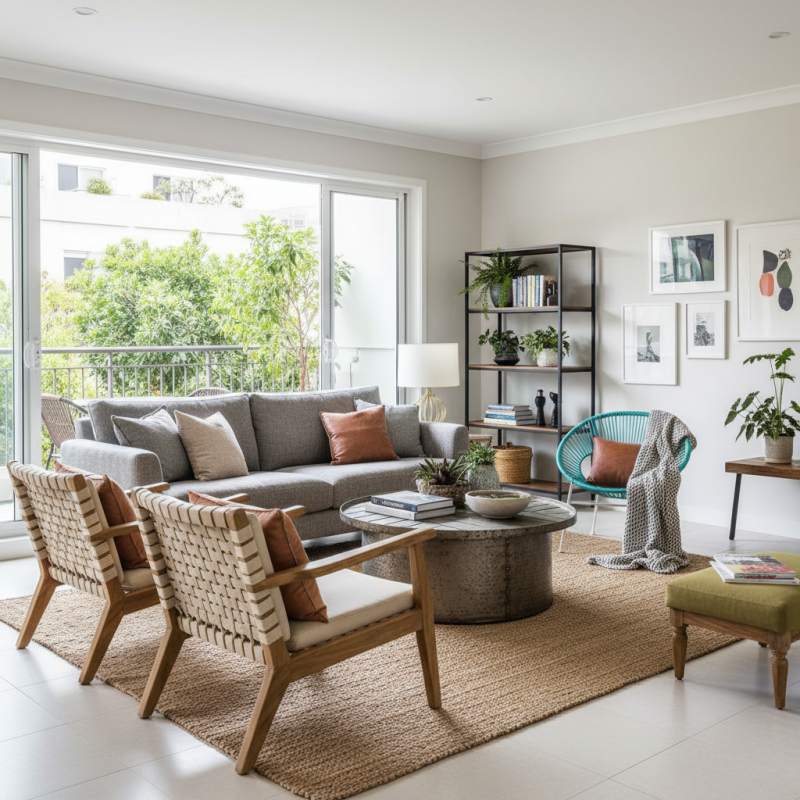
When selecting outdoor furniture for indoor use, consider the material and design. Wicker chairs and tables can add a charming, rustic feel to your living space. Their lightweight nature makes them easy to rearrange. However, remember that not all outdoor materials hold up well indoors. For instance, untreated wood may not age gracefully inside. It's essential to choose wisely.
Colors also matter. Bright hues can energize a room, while neutral tones create a calming atmosphere. Look for pieces with washable fabric. Accidents happen, and cleaning upholstery should be simple. Keep in mind that outdoor pieces might not fit every indoor style. Mixing outdoor furniture with indoor decor can lead to mismatched themes.
Experiment with textures and shapes. Curvy outdoor loungers could soften hard lines in a modern room. However, those same pieces might feel out of place in a minimalist space. Striking a balance between outdoor comfort and indoor style is vital. Each piece should enhance the room's overall vibe. This is why thoughtful selection can make all the difference.
When assessing the material durability of outdoor furniture for indoor use, consider several essential aspects. Moisture resistance is critical. Materials like teak and eucalyptus withstand humidity well. According to a report from the Outdoor Furniture Institute, 70% of outdoor materials fail due to moisture damage when used indoors. Proper treatment can enhance lifespan, but it's not a guaranteed solution.
Next, look at the aesthetic appeal. A blend of textures can transform a room. Wicker or aluminum pieces might bring an inviting vibe. A study by the Design Research Institute highlighted that 65% of consumers prefer furniture that combines durability and style. However, color fading from UV exposure poses a challenge. Many indoor decorators overlook this issue, leading to mismatched decor over time. Selecting the right finish can minimize this risk, but it requires regular upkeep.
Commitment to durability is only part of the equation. Assessing color, texture, and functionality is equally vital. This dynamic approach leads to an appealing indoor space that reflects both personal style and thoughtful design choices. Balancing beauty and practicality often requires ongoing reflection on material performance in everyday life.
When transitioning outdoor furniture to indoor decor, color is key. A cohesive color palette creates harmony in any space. According to industry reports, nearly 70% of homeowners prioritize color in their design choices. Begin by analyzing the hues already present in your outdoor pieces. Consider bold colors like teal or vibrant yellow. These shades can energize a room and evoke feelings of positivity.
Pair these colors with complementary indoor decor. Soft neutrals often balance vibrant tones. You might integrate shades of beige or soft gray. This helps create a soothing backdrop while highlighting the outdoor furniture. Research indicates that 65% of effective decorating hinges on appropriate color choices. Your indoor environment should reflect a unified theme, so think about textures as well. Mixing materials adds depth but can sometimes lead to clashes.
Be mindful of how natural fibers from outdoor furniture mix with indoor fabrics. Creating a space that feels both welcoming and stylish is tricky. Not every piece will seamlessly fit in. Reflect on which items resonate with your indoor ethos. Sometimes, the contrast can be a statement. A vintage rattan chair next to sleek modern decor may provoke intriguing dialogue. Ultimately, prioritizing a cohesive color palette and mindful design choices can transform your space, even if it requires trial and error.
Designing your indoor decor with outdoor furniture can create a unique and functional space. Many homeowners are embracing this trend, as studies show that over 60% of people prefer versatile furniture that can be used both indoors and outdoors. Utilizing weather-resistant materials indoors can enhance durability while giving a relaxed vibe.
To effectively integrate outdoor pieces, consider their scale and proportion in indoor spaces. For example, a large patio table can serve as a dining table in a spacious kitchen. Balance is essential; a bulky item might overshadow delicate decor. Avoid overcrowding. Ensure there is enough room to move around comfortably.
A key tip is to add indoor-friendly textiles. Cushions from outdoor furniture often resist fading and moisture. Reinvent them with indoor fabrics for a softer touch. Use greenery, like potted plants, to create a seamless outdoor-indoor transition. Research indicates that incorporating plants improves air quality by up to 50%, making your home healthier. Remember, while blending styles, maintain consistency in color schemes and design elements.
Repurposing outdoor furniture for indoor use can breathe new life into your home decor. However, maintaining and caring for these pieces requires some thoughtful considerations. Begin by inspecting each item for any signs of wear or damage. Check for loose joints or fading finishes. These factors can affect both durability and aesthetics. Minor repairs can enhance longevity and appearance.
Cleaning is essential before bringing outdoor furniture indoors. Use a mixture of mild soap and warm water to scrub off dirt and grime. Pay special attention to crevices where dust collects. After washing, let the pieces dry completely. This prevents moisture from getting trapped inside, which could lead to mold growth. Once dry, apply a suitable wood or metal polish to restore shine.
Consider the indoor environment. Depending on the material, certain outdoor pieces may not suit every room. For example, wicker may look charming in a sunroom but clash in a minimalist kitchen. Think about how these items interact with your current decor. Lastly, keep in mind that while repurposing is fun, some pieces may not transition well. Reflect on what truly enhances your living space versus what simply fills it.
| Tip Number | Tip Description | Benefits |
|---|---|---|
| 1 | Clean Thoroughly | Removes outdoor dirt and grime |
| 2 | Check for Damage | Identifies repairs needed before use |
| 3 | Repaint or Refinish | Gives a fresh look to old furniture |
| 4 | Add Cushions | Enhances comfort and style |
| 5 | Incorporate Indoor Plants | Brings a natural feel inside |
| 6 | Select Complementary Decor | Ensures a cohesive interior design |
| 7 | Use Area Rugs | Defines spaces and adds warmth |
| 8 | Optimize Lighting | Creates a welcoming atmosphere |
| 9 | Customize with Accessories | Personalizes your space |
| 10 | Maintain Regular Care | Extends the furniture's lifespan |
: Choose pieces that fit the scale of your room. A large table can work well in spacious kitchens.
Opt for weather-resistant materials to enhance durability and create a relaxed vibe indoors.
Inspect for wear, loose joints, or fading. Minor repairs can improve both durability and appearance.
Clean with mild soap and warm water. Pay attention to crevices where dirt can hide.
Yes, outdoor cushions resist fading. You can cover them with indoor fabrics for a softer touch.
Incorporating plants can improve air quality significantly—by up to 50%—making your home healthier.
Avoid overcrowding; a bulky piece can overshadow delicate decor. Make sure there’s room to move comfortably.
Not always. Consider the room’s style. Wicker may suit a sunroom but clash with a minimalist kitchen.
After cleaning, let furniture dry completely to prevent moisture from becoming trapped inside.
Yes, reflect on which items enhance your space. Some may simply fill space without adding value.
Transitioning outdoor furniture to indoor decor can enhance your living space with unique styles and textures. Start by choosing the right pieces that suit both the indoor environment and your personal taste. Assessing the material durability and aesthetic appeal is crucial, as you want chairs, tables, or benches that will withstand indoor conditions while still looking good.
Creating a cohesive color palette helps to blend outdoor aesthetics with your existing indoor decor. Consider incorporating functional elements from outdoor furniture, such as weather-resistant fabrics or sturdy frames, to maximize usability. Lastly, maintaining and caring for repurposed outdoor furniture ensures its longevity and keeps your indoor space inviting. By following these tips on how to transition outdoor furniture to indoor decor, you can create a charming and cohesive environment.

Nichols furniture