In today's design landscape, minimalism holds a significant place. Many homeowners seek clarity and tranquility in their spaces. A minimalist living room with white furniture can achieve just that. However, how to style a minimalist living room with white furniture may pose challenges.
The key lies in balance. White furniture creates an airy feel, but it can sometimes seem cold or lifeless. To counter this, think about adding warmth through textures and materials. Soft throws or natural wood elements can evoke a cozy atmosphere. Mixing materials thoughtfully can lead to an inviting ambiance.
Lighting is another crucial aspect. Natural light enhances the beauty of white furniture. Yet, in dim environments, your room can feel stark. Consider layered lighting with soft lamps or candles. Reflecting on these elements can transform your minimalist living room into a serene retreat. It’s a process that requires experimentation, so be open to adjustment.
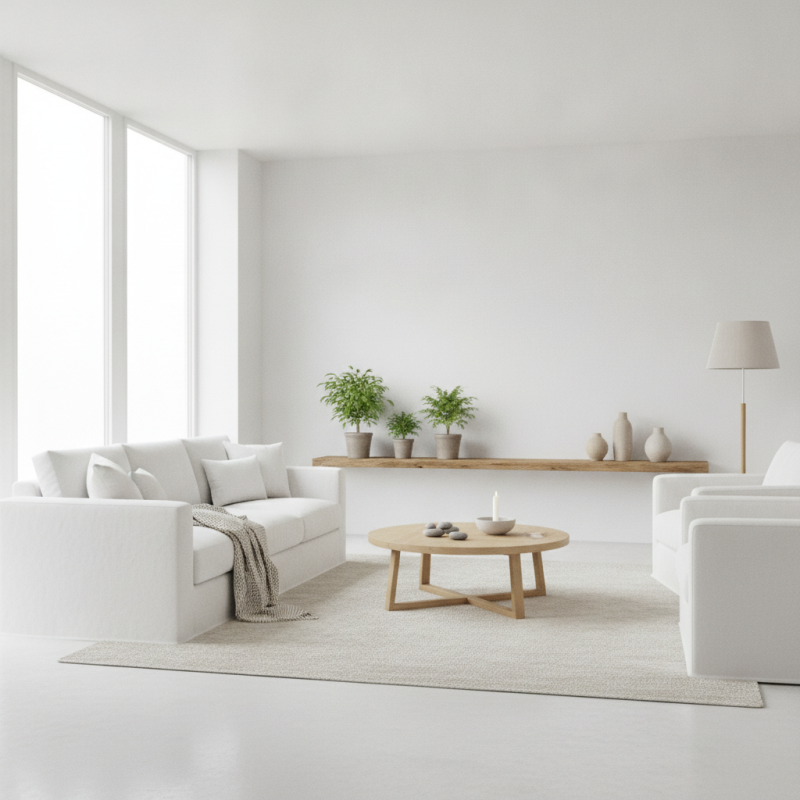
When styling a minimalist living room with white furniture, choosing the right shades of white is crucial. Pure white may seem ideal, but it can appear cold and stark. Instead, consider warmer whites with subtle undertones. These can create a softer atmosphere. For example, ivory or off-white can add warmth to your space.
Contrasting whites can also enhance visual interest. Mixing different shades of white on furniture can create depth. Pairing a creamy white couch with bright white side tables can be striking. However, balancing these contrasts is important. Too many shades can make the space feel chaotic.
Lighting plays a significant role in how white shades interact. Natural light can make whites appear differently at various times of day. In artificial light, certain whites may seem yellowish or blue. Test your chosen shades throughout the day to understand their true impact. Reflect on how each shade makes you feel as well. A well-curated palette will help establish a tranquil and inviting environment.
In a minimalist living room, white furniture serves as a blank canvas. To elevate this aesthetic, incorporating various textures is essential. A report from the American Society of Interior Designers highlights that textured surfaces can add depth and warmth to sparse environments. This is especially important when working with white, which can sometimes feel too stark or cold.
Focus on layering different materials. A plush wool rug next to a sleek leather sofa creates contrast. Consider adding cushions in organic cotton or linen. These fabrics not only soften the space but also introduce subtle patterns. Combining natural wood elements, like a stripped-down coffee table, can ground the room. In fact, studies show that homes featuring mixed textures are perceived as more inviting and comfortable.
However, achieving this balance can be challenging. Too many textures can create chaos, detracting from the minimalist appeal. It requires careful selection and placement. The goal is not to overwhelm the senses but to create a serene atmosphere. Aim for harmony, reflecting personal style while adhering to minimalist principles. Keeping a cohesive color palette can also help maintain that tranquil vibe without falling into monotony.
White furniture in a minimalist living room creates a serene atmosphere. However, choosing the right color accents is crucial. Complementary colors can enhance the aesthetic while maintaining balance. Consider using soft pastels, such as mint green or blush pink. These hues add warmth without overwhelming the space.
Another option is to use bold colors for more impact. Deep blues or rich greens can introduce depth. Pair these with gold or brass accents for elegance. Textiles, such as cushions or throws, can easily incorporate these complementary colors. Experiment with textures like velvet or linen for a richer feel.
While adding colors, be mindful of the overall composition. Too many competing colors can disrupt the minimalist look. Instead of a busy palette, opt for a few well-placed accent pieces. Reassess which colors resonate with you. Sometimes, simpler is better. Observe how your chosen colors interact with the white furniture over time.
Arranging furniture in a minimalist living room requires careful thought. The goal is to create an open and airy space. Start by selecting a focal point, like a modern coffee table or an elegant sofa. Position it centrally, ensuring it invites conversation and interaction.
Flow is crucial in minimalist designs. Avoid placing furniture against walls; this can make the room feel cramped. Instead, create pathways for easy movement. Leave ample space between pieces. Aim for at least two feet of walking space. This arrangement fosters a relaxed and welcoming atmosphere.
Don't forget about balance. White furniture can be striking but leads to a lack of visual interest. Integrate various textures, like a soft rug or wooden accents. This adds warmth. Reflect on what works and what doesn’t. Sometimes, an arrangement may feel off. Be willing to shift furniture until the layout feels right.
Creating a minimalist living room with white furniture is an exercise in simplicity. The “less is more” approach emphasizes function alongside beauty. A few carefully chosen accessories can make a big impact. Think about geometric shapes in decor. A round vase or angular sculptures can add visual interest without overwhelming the space.
Natural materials are key in accessorizing. Consider using wood, stone, or woven textiles. A soft jute rug can add warmth beneath stark furniture. Simple potted plants can introduce life without cluttering your space. Aim for a balance. Too many items can stray from the minimal aesthetic.
Reflect on your preferences. Some may feel more comfortable with slightly personal touches, while others prefer stringent minimalism. Assess the importance of each item. Each piece should serve a purpose or spark joy. Embrace imperfections; they tell a story. A slightly chipped ceramic bowl may bring a sense of history. In a minimalist living room, every detail matters and speaks volumes.
: Warmer whites with subtle undertones, like ivory or off-white, create a softer atmosphere.
Yes, contrasting whites can enhance visual interest. Balance is key to avoid chaos.
Natural and artificial light can change how whites look. Test them at different times of day.
Incorporate various materials, like a wool rug or cotton cushions, to enrich the space.
Soft pastels or bold colors can enhance the aesthetic. Choose complementary colors wisely.
Aim for a balance; too many textures can create chaos. Less is often more.
Select a few well-placed accent pieces. Avoid a busy palette to maintain a minimalist look.
Consider natural wood, leather, and organic fabrics for a grounded and inviting space.
Curate a well-thought-out color palette and textures. Reflect on how each choice makes you feel.
Overloading the space with too many colors or textures can detract from the minimalist appeal.
Styling a minimalist living room with white furniture can create a serene and sophisticated atmosphere. To achieve this, it’s essential to start by choosing the right shades of white, as variations can impact the overall aesthetic. Incorporating textures, such as soft throws or woven rugs, adds warmth and dimension, preventing the space from feeling cold or sterile. Complementary color accents can further enhance the minimalist design, providing visual interest without overwhelming the simplicity of the white furniture.
When arranging furniture, focus on optimal space and flow, ensuring that the layout encourages easy movement and comfort. Accessories should follow the principle of "less is more," emphasizing a few carefully selected pieces that showcase personal style without cluttering the environment. By considering these elements, anyone can learn how to style a minimalist living room with white furniture effectively, striking a balance between elegance and functionality.

Nichols furniture