Choosing the right dining table for a narrow dining room can be a challenge. A well-selected table maximizes space and enhances the room’s functionality. Understanding how to choose a dining table for a narrow dining room requires a blend of creativity and practicality.
Consider the dimensions of your space. Narrow rooms can easily feel cramped if the table is too large. Opt for designs that minimize bulk. Round or oval tables can often create a more open feeling. They can accommodate more people without taking up too much room.
It is also vital to think about style. Your dining table should complement the overall design of your home. While functionality is important, aesthetics should not be overlooked. Reflecting on your lifestyle can guide your choice as well. Do you entertain often? A larger table may be necessary. Balance these factors to find the perfect fit. Your dining space should not just look good but also feel inviting.
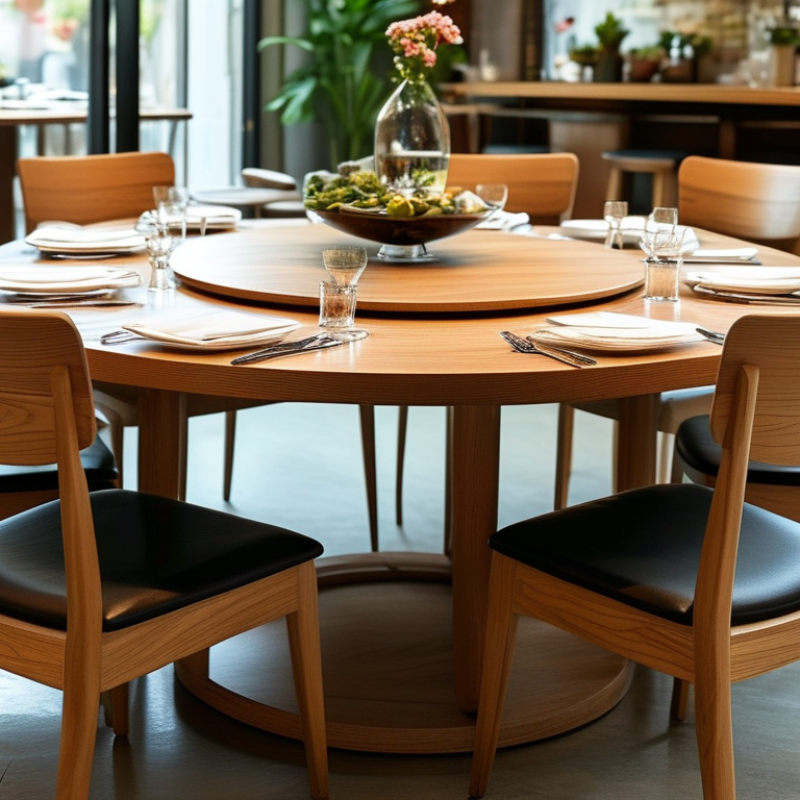
When designing a narrow dining room, understanding its dimensions is crucial. A space that's 8-10 feet wide needs specific furniture choices. Experts suggest that a dining table should be no wider than 30 inches. This allows enough space for movement while maintaining comfort. Remember, the right size can make a narrow room feel more spacious.
When selecting a dining table, consider a round or oval shape. These designs promote better traffic flow. According to a recent industry report, round tables typically allow for more seats in confined spaces. Additionally, extendable tables offer flexibility for larger gatherings. If hosting is your priority, this could be a vital choice.
Another critical factor is the clearance around the table. Ideally, there should be at least 36 inches between the table and walls or furniture. This ensures guests can move freely without feeling cramped. If your room is particularly tight, consider wall-mounted shelving to maximize space. These guidelines can help you avoid mistakes and create a cozy dining area, even in narrow rooms.
| Tip Number | Tip | Description | Recommended Size |
|---|---|---|---|
| 1 | Measure the Room | Accurately measure the length and width of your dining room. | Minimum 5 feet width |
| 2 | Choose a Rectangle Table | Rectangle tables fit better in narrow spaces. | 60-72 inches long |
| 3 | Opt for Drop-leaf Tables | Drop-leaf tables can be extended when needed. | 30-48 inches wide |
| 4 | Consider Round Tables | Round tables facilitate easy movement in tight spaces. | 36-48 inches diameter |
| 5 | Select Folding Tables | Folding tables can be stored away when not in use. | Standard width 30 inches |
| 6 | Light Colors are Better | Use light-colored tables to create an illusion of space. | N/A |
| 7 | Keep it Simple | Avoid elaborate designs for a minimalist look. | N/A |
| 8 | Choose a Glass Top | Glass tops can help minimize visual bulk. | N/A |
| 9 | Prioritize Comfort | Allow at least 3 feet of space around the table. | N/A |
| 10 | Test Before You Buy | Try sitting around the table to ensure comfort. | N/A |
: The maximum width of a dining table should be no more than 30 inches.
Round or oval tables promote better traffic flow in narrow spaces.
At least 36 inches of clearance is ideal between the table and walls or furniture.
Rectangular tables are often recommended for maximizing seating capacity.
A diameter of 42 inches is suitable for comfortably seating four people.
Pendant lights create focal points and make the room feel more spacious.
Mirrors can create an illusion of space, while minimal wall art adds depth.
Clear acrylic chairs can complement a rectangular table and make the area feel airy.
Minimal decorations ensure flow and prevent a cramped feeling in confined spaces.
Round tables eliminate corners, allowing for smoother interactions and engagement.
When considering how to choose a dining table for a narrow dining room, it’s essential to start by understanding the dimensions of your space. Measure the area to ensure the table fits comfortably without obstructing movement. Opt for shapes that work well, such as round or rectangular tables with rounded edges, which can provide better flow in limited spaces.
In addition to size and shape, consider multi-functional furniture that can serve dual purposes, such as tables with built-in storage. The materials you select should complement the tight space while maintaining a light and airy feel. Don’t forget the importance of lighting and decoration—strategically placed fixtures and decor elements can enhance the ambiance, making the dining experience more enjoyable in a compact environment.

 Nichols furniture