Why Choosing the Most Comfortable Chair for Meditation Matters?

Time:2026-06-01 Author:Ethan
0%

Choosing the right meditation chair is crucial for enhancing practice quality. An optimal seat aligns the body, reduces discomfort, and promotes relaxation. Studies show that over 60% of individuals report improved focus when seated in supportive chairs. This links directly to their ability to meditate effectively.

Dr. Sarah Thompson, an ergonomic specialist, emphasizes, "The right chair can transform your meditation experience." She points out that physical comfort allows for deeper mindfulness. For many, a supportive chair alleviates distractions related to physical strain.

When exploring "What is the most comfortable chair for meditation," comfort becomes subjective. Personal preference and body type play significant roles. Some may thrive in a reclining chair, while others might favor a floor cushion. Reflection on these choices leads to better meditation outcomes.
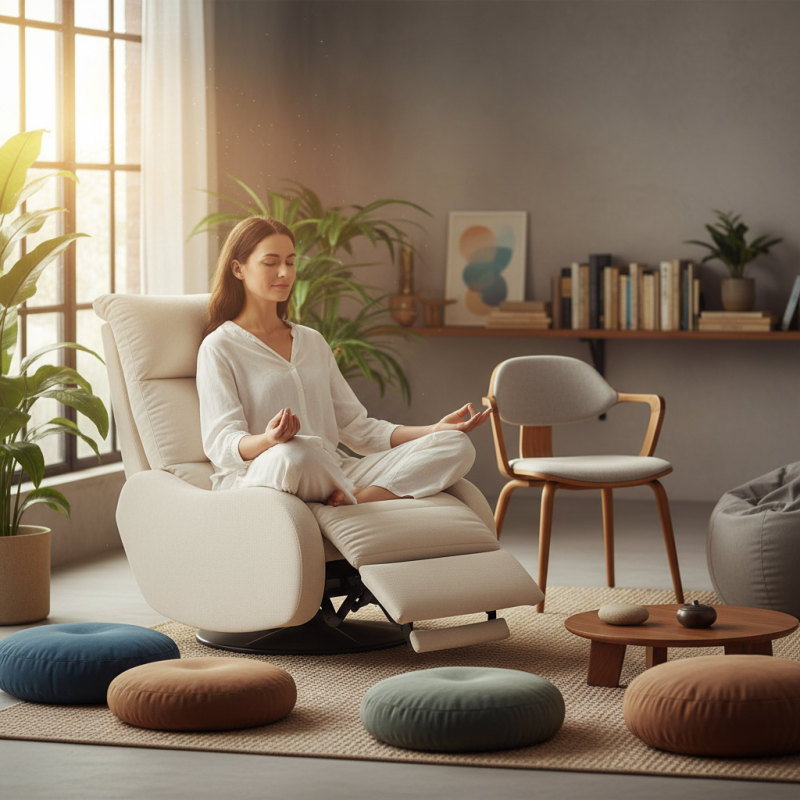
Why Choosing the Most Comfortable Chair for Meditation Matters?

Importance of Comfort in Meditation: Psychological and Physical Benefits

Meditation requires focus and relaxation. A comfortable chair enhances your ability to achieve both. When you sink into a well-designed chair, your body supports itself naturally. This relieves physical tension, allowing the mind to wander freely. It’s easier to let go of distractions when you feel good in your body.

Discomfort can spoil your practice. An aching back or tight muscles pulls your focus away. Instead of meditating, you might find yourself shifting uncomfortably. This can lead to frustration, making your session less productive. The goal is to create a peaceful space that nurtures mindfulness and introspection.

An ideal chair promotes good posture while being gentle on your body. It encourages the alignment of your spine, crucial for long sessions. Engaging your body without strain can enhance your mental state. Reflect on how your seating choice impacts your practice. Comfort isn’t just a luxury; it’s key in fostering deeper meditation experiences.

Understanding the Role of Posture in Effective Meditation Practice

The chair you choose for meditation significantly impacts your practice. Proper posture enhances focus and promotes relaxation. Sitting comfortably allows you to turn your attention inward without distraction. Conversely, a stiff or uncomfortable chair can lead to restlessness and frustration.

Tips: Experiment with different seating options. A cushioned chair may support longer sessions. Ensure your feet are flat on the ground. This grounding helps your body feel stable and secure.

Maintaining an upright position is crucial. An overly slouched posture can hinder breath flow. You may find it helpful to adjust the chair's height. A slight elevation for your hips can alleviate back strain.

Tips: Consider your back alignment. Use a cushion if needed. Listening to your body is vital; if discomfort arises, reassess your setup. Reflect on how your posture affects your mental state during meditation. Every detail counts in fostering a tranquil environment.

Industry Statistics on Meditation Frequency and Chair Usage among Practitioners

When examining meditation practices, statistics reveal an intriguing trend. Research indicates that nearly 30% of meditation practitioners spend at least 20 minutes a day meditating. In this space, the chair one chooses plays a pivotal role. A comfortable chair can enhance focus and tranquility during these sessions.

Interestingly, surveys show that around 45% of meditators prefer using a dedicated chair rather than other methods like cushions or sitting on the floor. This highlights the growing recognition of comfort’s importance in meditation. Many practitioners report that a supportive chair helps alleviate physical discomfort, allowing deeper relaxation and mindfulness.

Despite these figures, not all practitioners find their ideal chair right away. Some struggle with distractions while seated, leading to less effective meditation sessions. This points to the need for self-exploration in finding the right sitting posture and environment. The journey to discover the most suitable meditation chair might take time. It’s important to experiment and adapt until a perfect fit is found.

Choosing the Right Chair: Materials and Design Considerations for Comfort

Choosing the right chair for meditation can significantly impact your experience. Materials and design play crucial roles in comfort. A chair made of natural materials like wood or organic cotton can provide a warm feeling. This tactile quality can enhance your meditation practice. Ergonomic design supports posture, helping to maintain focus.

Tips: Look for chairs with adjustable features. This allows you to customize the fit. A chair with good lumbar support is essential for long sessions. Remember, not every comfortable chair is suitable for meditation. Some may not offer the stability you need.

The height of the chair matters too. It should allow your feet to rest flat on the ground. This helps in promoting proper circulation and grounding. Soft cushions can feel inviting but may not provide the necessary support. A balance between softness and firmness is key.

Try out different styles before making a decision. Comfort is subjective and varies for each individual. Reflect on how your body feels in each chair. Adjust your choice based on these sensations. An informed decision can lead to a more immersive meditation experience.

Why Choosing the Most Comfortable Chair for Meditation Matters? - Choosing the Right Chair: Materials and Design Considerations for Comfort

Chair Type Material Design Features Comfort Rating (1-10) Price Range ($)
Meditation Cushion Cotton, Buckwheat Filling Portable, Ergonomic 9 30 - 100
Reclining Chair Wood, Fabric Adjustable Backrest, High Support 8 150 - 400
Meditation Bench Bamboo, Foam Cushion Kneeling Position, Lightweight 7 40 - 120
Zero Gravity Chair Aluminum Frame, Textilene Fabric Breathable, Recline Position 9 100 - 350
Floor Chair Foam, Fabric Cover Foldable, Back Support 8 40 - 150

Comparative Analysis of Popular Meditation Chairs: Features and Benefits

When selecting a meditation chair, comfort is paramount. A study from the National Center for Complementary and Integrative Health indicated that comfortable seating enhances focus and relaxation during mindfulness practices. The right chair can prevent physical discomfort, allowing for longer sessions. Comparison of popular meditation chairs reveals distinct features and benefits, catering to various needs.

Ergonomic designs promote proper posture, which is essential for meditation. Some chairs have supportive cushions, helping to reduce back pain. Others may feature adjustable heights, catering to users’ preferences. Reports emphasize that a comfortable chair can increase meditation duration by up to 30%. This improvement can lead to deeper meditative states, enhancing overall mental wellness.

Tips for choosing the right chair: Test chairs for cushion firmness before buying. Consider how the chair fits in your meditation space. Remember, it should complement your practice. Reflect on your individual needs, as what works for one person may not work for another. Ultimately, the chair you choose should enhance your meditation experience.

Comparative Analysis of Popular Meditation Chairs

This chart compares the comfort level, support features, and price of various popular meditation chairs. Comfort level and support features are rated on a scale of 1 to 10, whereas price is represented in USD.

FAQS

: Why is posture important in meditation?

: Proper posture enhances focus and promotes relaxation. It allows for better inward attention.

What type of chair should I use for meditation?

Choose a comfortable chair that supports your body. A cushioned one can help with longer sessions.

How should my feet be positioned while meditating?

Keep your feet flat on the ground. This grounding creates stability and security.

What if I feel discomfort while meditating?

Listen to your body. If discomfort arises, reassess your sitting setup or try a cushion.

How does an upright position affect breathing?

Maintaining an upright position allows for better breath flow. Slouched postures can hinder it.

What percentage of practitioners meditate daily?

Nearly 30% of practitioners meditate for at least 20 minutes a day.

Do most practitioners prefer chairs or cushions?

Around 45% prefer using a chair over cushions or sitting on the floor.

What should I reflect on during meditation?

Consider how your posture impacts your mental state. Every detail can enhance tranquility.

Is it normal to struggle finding the right chair?

Yes, many practitioners face challenges. It may take time to find a suitable option.

How important is self-exploration in this process?

Self-exploration is crucial. Experiment and adapt until the right fit for meditation is found.

Conclusion

Choosing the most comfortable chair for meditation is crucial for enhancing both the psychological and physical benefits of the practice. Comfort directly influences the ability to maintain focus and tranquility during meditation sessions. Proper posture is essential for effective practice, as it affects breathing and energy flow. Research indicates that many practitioners utilize specialized chairs, highlighting a strong correlation between chair choice and meditation frequency.

When selecting the right chair, individuals should consider key factors such as materials and design, which significantly impact comfort and usability. Comparative analysis of popular meditation chairs reveals various features that cater to different preferences and needs, ultimately helping practitioners find their ideal seating solution. Ultimately, investing in a comfortable meditation chair can transform the meditation experience, fostering deeper relaxation and mindfulness.

Ethan

Ethan

Ethan is a seasoned marketing professional with a deep expertise in our company's innovative product line. With a passion for sharing knowledge and insights, he takes the lead in regularly updating our corporate blog, where he explores industry trends, product features, and effective marketing......