Choosing the right height for bar stools is vital for both comfort and style. According to renowned interior designer Sarah Thompson, "The key to a successful bar area is balance; height plays a crucial role." With so many options available, determining the perfect height becomes a nuanced decision.
When figuring out the ideal height, consider the bar or counter height. Standard bar stools are typically 28 to 32 inches high. They pair well with counters that are 40 to 42 inches tall. However, individual preferences and designs can vary widely. Reflecting on personal use can simplify the process. Do you often entertain guests? Think about their comfort and accessibility.
Pay attention to the space. If your bar area feels cramped, lower stools may work better. On the flip side, elevated seating creates a sense of openness. It’s crucial to strike that balance. Each decision impacts the overall look and functionality. Ultimately, how to choose the right height for bar stools involves not just measurements, but also a touch of intuition.
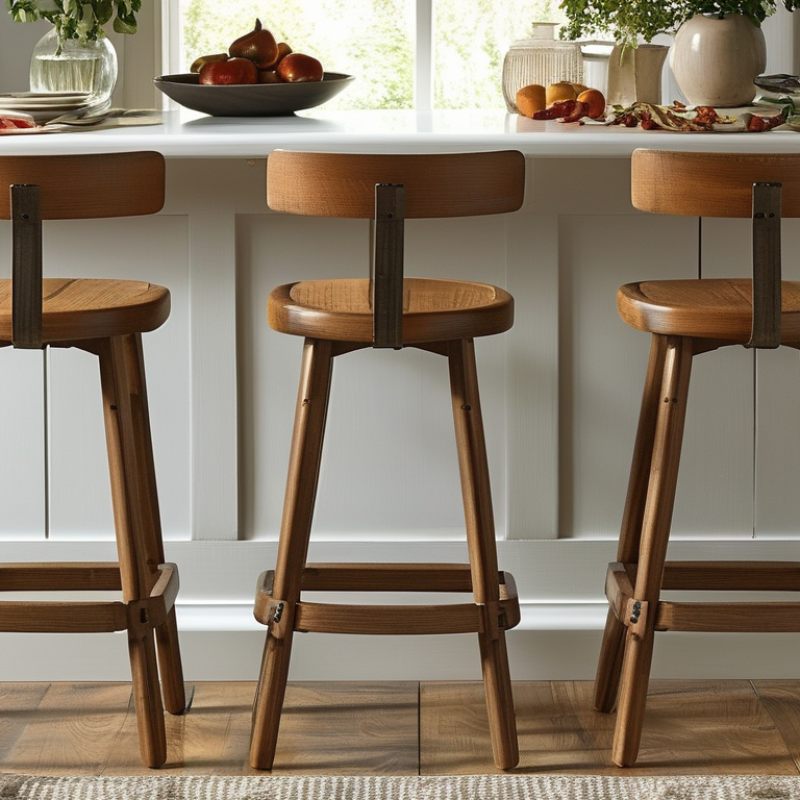
When selecting bar stools, it's crucial to consider the standard counter height. Most bar stools are designed to fit counters that measure between 34 to 36 inches high. This range is suitable for various dining and entertainment spaces, ensuring comfort and accessibility. Reports indicate that approximately 65% of consumers prefer this height for social gatherings.
A bar stool that is too tall or too short can lead to discomfort. Experts recommend choosing stools with seat heights ranging from 28 to 32 inches, which align well with standard counter heights. Proper proportions play a significant role in how your space feels. Improper heights can create awkward seating arrangements, impacting dining experiences.
Also, it’s essential to reflect on personal and aesthetic needs. The right height is not just about the numbers; it’s about how it fits your lifestyle. Measuring your counter height accurately and testing different stool sizes can lead to better choices. Always consider the overall design of your space, as a mismatch may overwhelm or underwhelm the area. Check that your chosen stools allow for proper legroom under the counter and match your desired style.
| Bar Stool Height (inches) | Recommended Counter/Sink Height (inches) | Typical Use |
|---|---|---|
| 24-26 | 30 | Standard Kitchen Counters |
| 30 | 36 | Bar Height Tables |
| 34-36 | 40-42 | Counter-Height Tables |
| 28-30 | 35 | Restaurant Tables |
When choosing bar stools, understanding table height variations is crucial. Bar height tables typically stand between 40 and 42 inches. Therefore, the ideal stool height ranges from 28 to 30 inches. This creates a comfortable, ergonomic fit for most users.
Counter height tables are shorter, usually around 34 to 36 inches. Here, the stools should be about 24 to 26 inches high. These dimensions allow for relaxed dining experiences in your kitchen or dining area. It’s essential to measure your furniture properly. A gap of 10 to 12 inches between the seat and the table surface is generally recommended.
Many people overlook these details, resulting in discomfort and awkward dining experiences. Sometimes, buying what looks good trumps functionality. It helps to visualize usage scenarios. Will the stools be used for meals, casual gatherings, or both? Consider your lifestyle. This reflection can lead to better choices and more satisfying results.
When selecting the right bar stool height, measuring for comfortable seating is crucial. The standard seat height for bar stools typically ranges from 28 to 32 inches. This range accommodates counter heights between 40 to 42 inches. Industry studies suggest that maintaining a distance of 10 to 12 inches between the seat and the counter provides optimal comfort.
To measure correctly, use a tape measure. Start from the floor to the underside of your bar or counter. This distance will guide your choice. Consider the needs of potential users. If you have taller individuals or those who are shorter, adjustments to the height preferences might be necessary.
Pay attention to the width of the bar stools too. A stool that's too wide might feel cramped next to the counter. Remember that comfort varies from person to person. Some may prefer higher stools for a more upright posture, while others might find lower stools more relaxing. Balancing personal preferences with standard measurements can provide a better overall experience.
This chart illustrates the recommended seat heights for various types of bar seating, helping you find the ideal height for your bar stools to ensure comfort and support.
Choosing the right height for your bar stools involves more than just aesthetics. One crucial factor to consider is legroom. According to industry standards, a distance of 10 to 12 inches between the seat of the stool and the surface is recommended. This space allows for comfortable seating, promoting a relaxed posture. Too little space can lead to discomfort and difficulty in getting in and out of the seat.
Tips: Measure the height of your bar or counter before purchasing stools. Ensure that the stool height fits within the recommended gap. If your bar height is 40 to 42 inches, consider stools that are 28 to 30 inches tall for optimal legroom.
In some cases, people overlook these measurements. They may purchase stools based on looks rather than function. Additionally, nonstandard bar heights can complicate matters. Always double-check the dimensions before making a buy. Combining function and style is key for a well-designed space.
When selecting bar stools, design and height go hand in hand. The choice of style should complement the stool height. A report by the American Home Furnishings Alliance indicates that 68% of consumers prefer stools that match their home’s decor. This connection enhances the overall aesthetic and ensures functionality.
Stool heights typically vary between 24 to 32 inches. The ideal height often depends on the table or counter. For example, counter-height tables pair well with 24 to 27-inch stools. In contrast, bar-height tables require 28 to 33-inch options. An imbalance can disrupt usability. It’s essential to consider the visual appeal, too. A well-matched design not only looks better but also invites guests to sit comfortably.
Choosing the right stool style also requires reflection. A trendy design may not work for every space. A modern industrial stool might clash with rustic-themed kitchens. Therefore, it’s crucial to visualize how each style fits within your environment. Sometimes, the most popular choices are not the right ones for your needs. Flexibility and awareness of personal taste are key to finding that perfect match.
: Standard bar stool heights are typically between 34 to 36 inches for counters.
For bar height tables, choose stools that are 28 to 30 inches high.
Incorrectly sized stools can lead to discomfort and awkward seating.
Accurate measurements ensure that the chosen stools fit well and provide comfort.
A gap of 10 to 12 inches is usually recommended for comfort.
The stool design should complement both height and overall decor of the space.
Yes, sometimes aesthetic choices override practical needs, causing discomfort.
Stools for counter height tables should generally be 24 to 26 inches high.
Visualizing usage scenarios can help reflect on the best choices for your lifestyle.
Yes, matching styles enhances aesthetics and creates a welcoming atmosphere.
When considering how to choose the right height for bar stools, it's essential to start with standard counter height, which generally falls between 34 to 36 inches. Understanding the differences between bar height and counter height is crucial for making the right selection for your space. Evaluating seat height is another important factor; this involves measuring to ensure proper comfort and support for users.
Additionally, adequate legroom should be accounted for, with a recommended space between the stool and the surface to facilitate relaxation and movement. Finally, selecting the right style is vital, as the design of the bar stools should align with the height choices to create a harmonious look. By following these guidelines, you can ensure that your bar stools not only fit well within your space but also enhance the overall aesthetic.

Nichols furniture