How to Choose the Most Comfortable Meditation Chair in 2026?

Time:2026-10-08 Author:Mason
0%

Choosing a meditation chair in 2026 is not simply about finding the softest seat. Comfort depends on posture, body shape, session length, and the support your practice requires. A chair that feels luxurious for ten minutes may cause hip pressure or lower-back fatigue after forty minutes. I learned this after testing several designs with firm cushions, adjustable backs, and different seat heights. The results were surprisingly personal.

So, what is the most comfortable chair for meditation? There is no universal answer. The best choice usually keeps your spine naturally aligned, supports relaxed hips, and allows both feet to rest steadily on the floor. Breathable fabric can prevent heat buildup, while moderate cushioning may offer more stability than an overly soft seat. Small details matter. Armrests, for example, can help some users relax, but they may restrict movement for others.

Measure the chair before trusting its appearance. A seat that is too deep can press behind your knees. A low seat may make standing difficult, especially for older practitioners. Check weight capacity, frame construction, cleaning instructions, and return policies from reputable manufacturers. Independent reviews and user feedback can reveal problems that product photographs hide.

I still question whether “maximum comfort” should be the main goal. Meditation sometimes requires gentle awareness of discomfort, not complete escape from it. However, avoidable strain can distract from breathing and concentration. This guide examines practical features, expert considerations, and real-world testing methods to help you choose a meditation chair that supports consistent, comfortable practice in 2026.
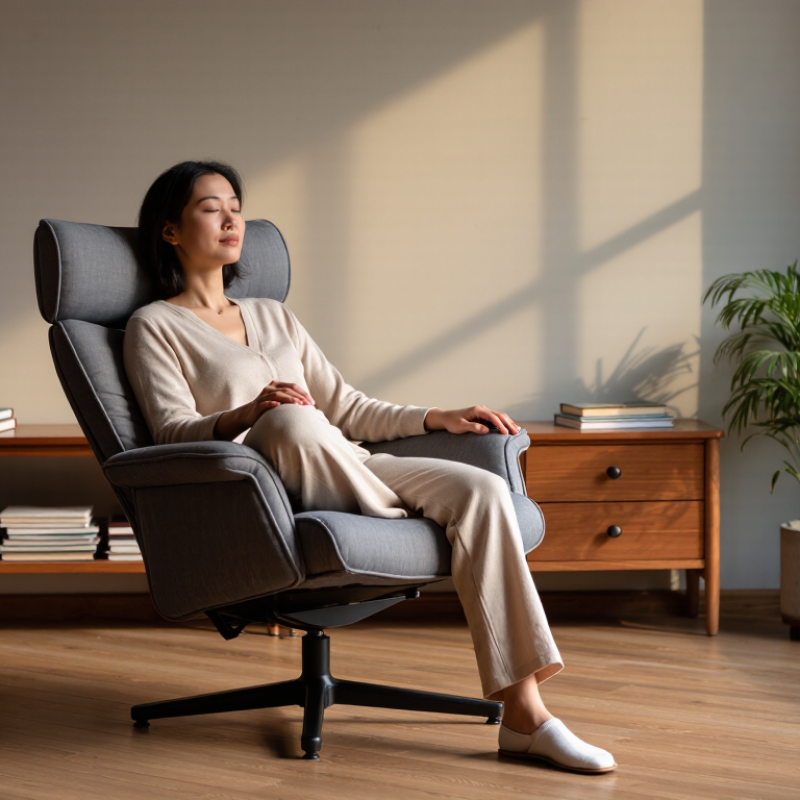
How to Choose the Most Comfortable Meditation Chair in 2026?

Understanding What Makes a Meditation Chair Comfortable

Comfort in a meditation chair begins with stable support, not excessive softness. Your hips should sit slightly higher than your knees, allowing the pelvis to tilt naturally. This position can reduce pressure on the lower back and make breathing feel easier. A firm cushion usually works better than a deeply padded seat. Too much softness may pull your spine into a rounded shape.

Check the chair’s width, seat height, and back angle before buying. Your feet should rest comfortably, without dangling or stretching forward. The backrest should support your posture without forcing your shoulders backward. Breathable fabric helps during longer sessions, especially in warm rooms. Test the chair for at least ten minutes. Notice pressure around your knees, tailbone, and ankles. Small discomfort matters.

Tips: Place the chair on a level floor and add a thin cushion only when needed. Keep your head balanced above your ribs. Try sitting barefoot if that matches your usual practice. A chair can look supportive yet feel restrictive. I once assumed a softer seat would improve comfort, but it made my hips sink unevenly. Personal proportions also matter. What suits a tall practitioner may feel awkward for someone shorter, so measurements should guide the choice more than appearance.

How to Choose the Most Comfortable Meditation Chair in 2026?

Understanding what makes a meditation chair comfortable starts with fit. The reference ranges below are practical ergonomic starting points for adult users; the ideal setting depends on body size, posture, flexibility, and whether the chair is used for kneeling, cross-legged sitting, or upright sitting.

Choose adjustable features whenever possible. A suitable seat should support an upright spine, leave enough room behind the knees, distribute pressure evenly, and avoid restricting hip or shoulder movement. Dimensions are shown in centimeters and represent common ergonomic reference ranges rather than strict medical limits.

Choosing the Right Chair Shape, Height, and Seating Position

The most comfortable meditation chair is not always the softest one. Its shape should support a neutral pelvis without forcing your spine upright. A firm, slightly curved seat can reduce slouching. A flat cushion may suit people who shift positions often. Your body will tell you.

Chair height matters more than decoration. OSHA’s workstation guidance recommends supported feet, relaxed shoulders, and thighs roughly level with the floor.

For meditation, keep your hips slightly higher than your knees. This position can reduce pelvic pressure and make slow breathing easier. Avoid a seat that leaves your feet dangling. That small gap can create tension in the thighs.

Seating position changes the result. Sit near the middle of the cushion, not its front edge. Let your knees point naturally outward, while your feet stay stable.

WHO’s 2020 physical activity guidelines stress reducing prolonged sedentary time, so avoid chairs that lock you into one posture.

Try ten minutes before buying. Notice pressure under the sit bones, heat behind the knees, and whether your chin drifts forward.

I would not treat a perfect 90-degree knee angle as a rule. Bodies vary, and even respected ergonomic guidance, including BIFMA’s user-range principles, cannot predict every meditation posture.

A chair that feels excellent today may expose discomfort after longer practice. That is worth reconsidering.

Comparing Cushioning, Back Support, and Adjustable Features

How to Choose the Most Comfortable Meditation Chair in 2026?
Comparing Cushioning, Back Support, and Adjustable Features

Comfort begins with balanced cushioning, not maximum softness. A seat should spread pressure across your hips and thighs. Dense foam or layered padding usually prevents sinking during longer sessions. Your pelvis should remain level, with your knees close to hip height. Try sitting for 15 to 20 minutes before deciding. Notice numbness, heat, or pressure near your tailbone. These details matter more than a soft first impression. I once chose a very plush cushion, but it encouraged slouching after ten minutes.

Back support should guide your posture without forcing it. A gently shaped lower-back panel can reduce fatigue while keeping your spine naturally upright. Avoid rigid support that pushes your chest forward. Leave enough room for shoulder movement and relaxed breathing. Small adjustments help.

Adjustable features improve fit across different bodies and sitting styles. Look for seat-height changes, reclining control, lumbar depth, and footrest positioning. A stable adjustment mechanism matters more than having many settings. Set the chair low enough for grounded feet, then adjust the back angle gradually. If your ankles feel strained, the seat may be too high. If your knees rise sharply, it may be too low. I still find that some “ideal” settings feel awkward on certain days, especially after exercise. Your body can change, so reassess the fit rather than trusting one measurement.

Matching Chair Materials and Designs to Your Meditation Space

Choosing the most comfortable meditation chair in 2026 starts with your room, not a trend. I learned this after using a soft chair in a warm, crowded corner. Its thick fabric trapped heat, and my back became restless. Breathable cotton, linen blends, or woven hemp can feel cooler. Yet loose fabric may wrinkle and collect dust. A washable, firm cover is often more practical.

For a quiet wooden room, a low chair with natural wood arms can echo the space without looking heavy. In a small apartment, a compact chair with a folding frame preserves walking space. Memory foam feels welcoming at first. It can sink too deeply during longer sessions. High-density foam or layered padding usually offers steadier support. Check whether your hips sit slightly above your knees. That angle helped me maintain a longer, calmer posture.

Match colors to the room’s light. Pale materials soften dark corners, while charcoal upholstery suits bright, open spaces. Avoid choosing texture by appearance alone. Run your hand across it. Sit for ten minutes. Notice pressure behind your knees and warmth around your lower back. I once preferred a beautiful chair that looked perfect in photographs, but its rigid edge distracted me constantly. Comfort is personal, and even careful measurements can miss something. Leave space for a cushion, folded blanket, or changing posture.

How to Choose the Most Comfortable Meditation Chair in 2026? - Matching Chair Materials and Designs to Your Meditation Space

Chair Design Typical Seat Height Common Materials Comfort and Posture Characteristics Best Meditation Space Main Advantages Potential Limitations
Floor Cushion
Comfort: ★★★★☆
5–15 cm
Very low
Cotton or linen cover; kapok, cotton, polyester fiber, or buckwheat-hull filling. Encourages a grounded sitting position and allows the pelvis to tilt forward. Firm fillings generally provide more stable support than soft fiber. Small rooms, minimalist spaces, warm floors, and meditation corners where easy storage is important. Lightweight, portable, easy to stack, and available in many shapes and thicknesses. May provide insufficient knee or hip elevation for people with limited hip mobility. Buckwheat filling can feel firm and may be noisy when moved.
Meditation Bench
Comfort: ★★★★☆
15–25 cm
Low to medium
Solid wood, bamboo, or molded composite frame; optional padded or upholstered top. Supports kneeling or seiza-style sitting while transferring some body weight from the ankles to the bench. Quiet rooms with a dedicated meditation area and enough space for a folded mat. Promotes an upright torso, has a compact footprint, and is usually easier to clean than upholstered seating. Requires comfort with kneeling. Hard edges, fixed dimensions, or an unsuitable leg angle may cause pressure on the shins or ankles.
Back-Support Meditation Chair
Comfort: ★★★★★
35–48 cm
Standard chair height
Hardwood or metal frame; foam padding; cotton, linen, wool, or synthetic upholstery. Provides back support and reduces the need to sit directly on the floor. A firm, slightly padded seat usually offers better long-session stability than a deeply soft cushion. Bedrooms, home offices, multi-purpose rooms, and spaces where the chair must serve everyday seating needs. Accessible for people who have difficulty getting up from the floor and suitable for longer sessions. Takes more visual and floor space. Excessive recline or thick cushioning can encourage a less alert posture.
Kneeling Chair
Comfort: ★★★☆☆
45–65 cm overall height
Elevated seat
Wood or metal frame; molded foam or layered foam pads; fabric or synthetic upholstery. Uses a forward-angled seat and shin support to distribute weight between the pelvis and lower legs. It keeps the hips higher than the knees. Compact meditation or work areas where an upright posture is preferred and floor sitting is uncomfortable. Can reduce slouching and provides a stable alternative to cross-legged sitting. Not suitable for everyone with knee, ankle, or shin sensitivity. The angle and padding require careful personal fitting.
Backless Saddle Seat
Comfort: ★★★★☆
45–60 cm
Medium to high
Wood, molded plastic, or metal base; molded foam, leather, or textile-covered seat. A contoured seat can encourage a neutral pelvis and open hip angle without relying on a backrest. Small contemporary rooms, studio spaces, or meditation areas that also function as reading or work zones. Encourages active sitting, is visually light, and usually fits beneath a desk or console. Requires active trunk control and may feel unstable for users who prefer back support or a wider seat.
Woven Seat Chair
Comfort: ★★★★☆
35–48 cm
Standard chair height
Wood or metal frame with woven cane, rattan, paper cord, or plant-fiber seat and back. The flexible woven surface provides moderate give and allows more airflow than many fully upholstered seats. Naturally lit rooms, warm climates, and interiors using natural textures and open visual space. Breathable, lightweight in appearance, and compatible with natural or biophilic décor. Woven fibers can stretch or wear with heavy use and may be less comfortable during long sessions without a thin cushion.
Upholstered Accent Chair
Comfort: ★★★★☆
40–50 cm
Standard chair height
Hardwood or engineered-wood frame; high-density foam; cotton, linen, wool, velvet, or synthetic fabric. Offers broad seating and cushioning. Best for meditation when the seat is firm enough to keep the pelvis level and the back remains mostly upright. Living rooms, reading nooks, and shared spaces where the meditation chair should blend with existing furniture. Strong everyday versatility, generous comfort, and broad upholstery choices. Deep seats, soft cushions, or high armrests can make an alert posture difficult. Fabric may retain dust and odors.
Reclining Meditation Chair
Comfort: ★★★☆☆
40–50 cm seat height
Adjustable position
Metal or wood mechanism; foam padding; textile, microfiber, or synthetic-leather upholstery. Adjustable angles can relieve pressure on the back and hips, but a strongly reclined position may encourage drowsiness rather than alert meditation. Larger rooms, restorative practices, guided relaxation, or users who need adjustable back and leg support. Adjustable support and easier access for users with limited mobility. Larger footprint, higher mechanical complexity, and less suitable for upright mindfulness practice if reclined too far.
Outdoor Meditation Chair
Comfort: ★★★★☆
35–48 cm
Standard chair height
Powder-coated metal, treated wood, outdoor-rated plastic, quick-dry foam, and solution-dyed acrylic or polyester fabric. Usually offers firm support and ventilation. Materials should resist moisture and ultraviolet exposure when used outdoors. Covered balconies, patios, gardens, and sheltered outdoor meditation platforms. Weather-resistant construction, easy cleaning, and good airflow in warm conditions. Outdoor fabrics still need drying and maintenance. Direct sunlight can heat dark surfaces and gradually fade some materials.

Selection guide: Choose a seat height that keeps the hips slightly higher than the knees, supports a neutral pelvis, and allows the feet, shins, or knees to rest without strain. For warm or humid rooms, prioritize breathable woven materials or removable washable covers. For compact spaces, choose a floor cushion or bench; for accessibility and longer sessions, a firm back-support chair is generally the more practical option.

Testing, Maintaining, and Replacing a Meditation Chair in 2026

How to Choose the Most Comfortable Meditation Chair in 2026?

Comfort should be tested slowly, not judged in a showroom minute. Sit for 20 minutes with bare feet flat and shoulders relaxed. Check whether your hips sit slightly higher than your knees. The chair should support your pelvis without forcing your spine upright. A firm cushion may feel harsh at first, but soft foam can collapse quickly. ANSI/BIFMA seating standards include repeated-cycle tests, with some chair tests reaching 100,000 cycles. That figure does not guarantee meditation comfort, but it reveals why frame strength matters.

Tips: Test the chair after a quiet breathing session. Notice pressure behind your knees, numbness, and shifting. Measure the seat height before buying. Keep a simple monthly note about cushion firmness and frame movement. This sounds excessive. It is not, perhaps.

Maintenance is mostly boring and useful. Vacuum fabric seams, wipe wood or metal with a suitable dry cloth, and keep the chair away from damp floors. Tighten loose hardware carefully. Do not over-tighten it. Replace the chair when cracks, rocking joints, exposed filling, or permanent cushion sag appear.

A calendar alone is unreliable. Heavy daily use may shorten service life, while occasional use may hide gradual damage. The 2024 Global Wellness Institute report valued the global wellness economy at 6.3 trillion dollars in 2023. As meditation becomes more common, buyers may focus too much on appearance. I have found that a quiet, stable chair usually serves better than a decorative one.

FAQS

What makes a meditation chair comfortable for longer sessions?

Balanced cushioning spreads pressure across your hips and thighs. Dense foam can prevent sinking. Maximum softness is not always better.

How long should I test a meditation chair before buying it?

Sit for 15 to 20 minutes with bare feet flat. Notice numbness, heat, tailbone pressure, and shifting.

What seating position should I look for?

Your pelvis should stay level. Your hips should sit slightly higher than your knees. Your shoulders should remain relaxed.

How should back support feel during meditation?

It should gently guide your lower back without forcing your spine upright. Avoid rigid panels that push your chest forward.

Which adjustable features matter most?

Useful features include seat height, back angle, lumbar depth, and footrest position. Stable adjustments matter more than many settings.

How can I tell if the seat height is wrong?

Strained ankles may indicate a seat that is too high. Sharply raised knees may indicate a seat that is too low.

How can I check whether a chair remains reliable?

Keep a monthly note about cushion firmness, rocking joints, and frame movement. This sounds excessive. It may prevent surprises.

How do I maintain a meditation chair?

Vacuum fabric seams and wipe hard surfaces with a suitable dry cloth. Keep the chair away from damp floors. Do not over-tighten hardware.

When should I replace a meditation chair?

Replace it when you see cracks, rocking joints, exposed filling, or permanent cushion sag. A calendar alone cannot show gradual damage.

Should appearance influence my choice?

Appearance matters, but stability matters more. A quiet, supportive chair may serve better than a decorative one. I still misjudge this sometimes.

Conclusion

Choosing the most comfortable meditation chair in 2026 begins with understanding your body, posture, and meditation habits. The ideal chair should support a relaxed, upright position without creating pressure on the hips, knees, or lower back. When asking, “What is the most comfortable chair for meditation,” consider the chair’s shape, seat height, depth, and angle, as well as whether it allows your feet to rest naturally on the floor. A suitable design should make it easier to remain still and focused for extended sessions.

Comfort also depends on cushioning, lumbar support, and useful adjustable features. Materials and colors should match your meditation space while offering durability, breathability, and easy maintenance. Before buying, test the chair for stability, balance, and long-session comfort. Regularly clean the fabric, inspect the frame, and replace the chair when its support or cushioning begins to decline. The best choice is one that combines ergonomic support, personal comfort, practical care, and a peaceful fit with your daily meditation environment.

Mason

Mason

Mason is a seasoned marketing professional with a deep expertise in the company's offerings and a passion for driving brand awareness. With a strong background in digital marketing strategies, he has an innate ability to connect with diverse audiences and effectively communicate product benefits.......