A marble dining table adds elegance and sophistication to any home. Its unique veining and natural beauty make it a prized possession. However, many owners struggle with its maintenance. Understanding how to maintain a marble dining table top is crucial for preserving its allure and durability over time.
Regular cleaning and proper care can prevent damage and discoloration. Simple actions like using coasters and placemats can make a significant difference. It's essential to avoid harsh chemicals that can etch the surface. Additionally, spills should be addressed quickly to avoid staining.
However, not everyone knows these best practices. Some may neglect the need for sealing, leading to long-term issues. Recognizing the balance between beauty and practicality is vital. Over time, the right maintenance techniques will ensure your marble table remains a stunning centerpiece for years to come.
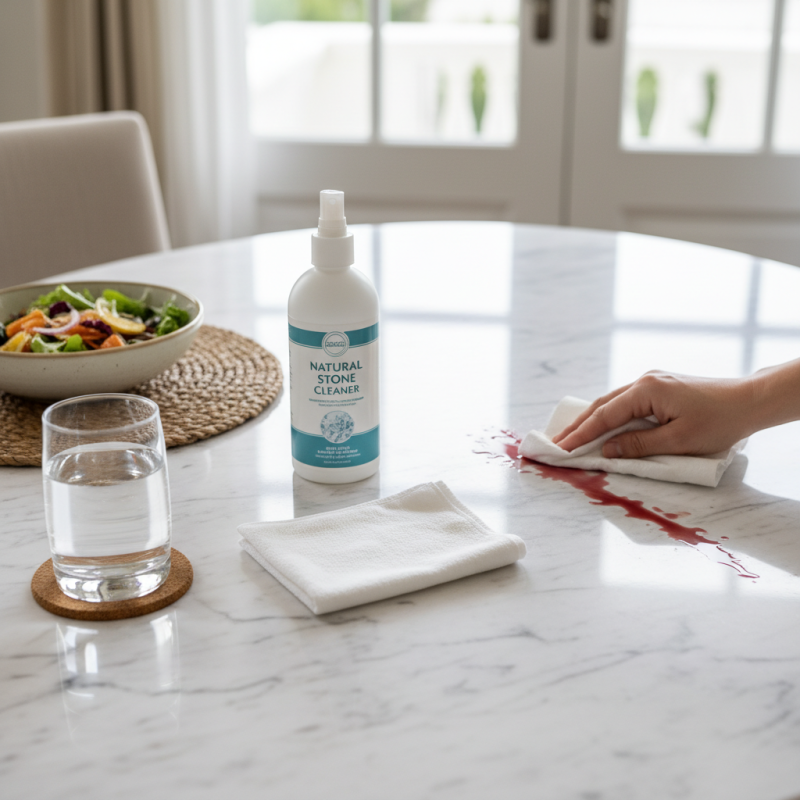
Choosing the right location for your marble dining table is crucial for its longevity. Light and heat can damage marble surfaces. Place your table away from direct sunlight or heating vents to prevent discoloration and cracking. A shaded area is ideal. If you must position it near windows, consider sheer curtains to filter light.
Additionally, consider the room's usage. High-traffic areas may not be suitable for marble. Foot traffic can increase the risk of scratches. Instead, choose a dining room that offers a bit of seclusion. This ensures your table remains pristine. You should also think about the surface below the table. A soft rug can protect both the table legs and your floor.
Lastly, keep in mind that cleaning spills promptly is necessary, and location matters here. If the table is in a space that encourages dining with kids or pets, be prepared for potential mishaps. While marble is durable, it's not indestructible. A little forethought can enhance the enjoyment and preserve the beauty of your dining table for years.
| Dimension | Recommendation |
|---|---|
| Direct Sunlight Exposure | Avoid placing in direct sunlight to prevent fading and heat damage. |
| Humidity Levels | Maintain a moderate humidity level (40%-60%) to prevent moisture-related damage. |
| Distance from Heat Sources | Place at least 3 feet away from heaters or fireplaces. |
| Cleaning Supplies | Use a neutral pH cleaner to avoid etching the surface. |
| Protective Coating | Regularly reapply a marble sealant to protect against stains. |
| Surface Cleaning Frequency | Wipe down weekly to maintain cleanliness and shine. |
: Use a soft microfiber cloth for daily dusting. This prevents dirt buildup that can scratch the surface.
Water is effective for light cleaning. Avoid harsh chemicals that might etch the marble.
Mix warm water with a few drops of mild dish soap. Dampen a cloth and gently wipe the table.
Rinse with clean water to ensure no soap residue remains. Always dry the surface to prevent water spots.
Use coasters for drinks and placemats for dishes. They help shield the stone from spills and scratches.
Make a paste of baking soda and water. Apply it to the stain, cover it with plastic wrap, and wait a few hours.
Resealing is necessary every six months to a year. Neglecting this can lead to stains and dullness.
Yes, marble is sensitive to temperature changes. Avoid placing hot dishes directly on the surface.
Handle marble with care to avoid scratches. Reflect on your usage to maintain its beauty.
Occasional imperfections can arise. They serve as reminders of its natural beauty and uniqueness.
Maintaining a marble dining table top requires careful attention to various aspects to ensure its longevity. First, selecting the right location is crucial; it should be placed away from direct sunlight and high-traffic areas to minimize potential damage. Regular cleaning techniques using mild, non-abrasive solutions can help preserve the marble's natural beauty. Additionally, taking preventive measures against scratches—such as using coasters and placemats—is essential for maintaining the surface.
Sealing the marble periodically enhances its resistance to stains and scratches, providing an extra layer of protection. When dealing with stains, prompt action is necessary; using a soft cloth and appropriate cleaning products can help in effectively removing unwanted marks. By following these guidelines on how to maintain a marble dining table top, you can enjoy its elegance for many years to come.

 Nichols furniture