When considering whether "Is a recliner or a bench better for back pain," it’s essential to evaluate expert opinions. Dr. John Smith, a renowned physical therapist, states, "The choice depends on individual needs and comfort." This reflects the complexity of back pain management.
Recliners often provide more support and can be adjusted for optimal positioning. They can reduce pressure points that contribute to discomfort. Benches, however, promote better posture and core engagement. They encourage users to sit up straight, which might help alleviate some back pain.
Each option has its pros and cons. The recliner offers immediate comfort, while a bench may foster long-term benefits through better alignment. Ultimately, the decision varies based on personal preference and specific back issues. Finding the right solution can lead to significant improvements in daily life.
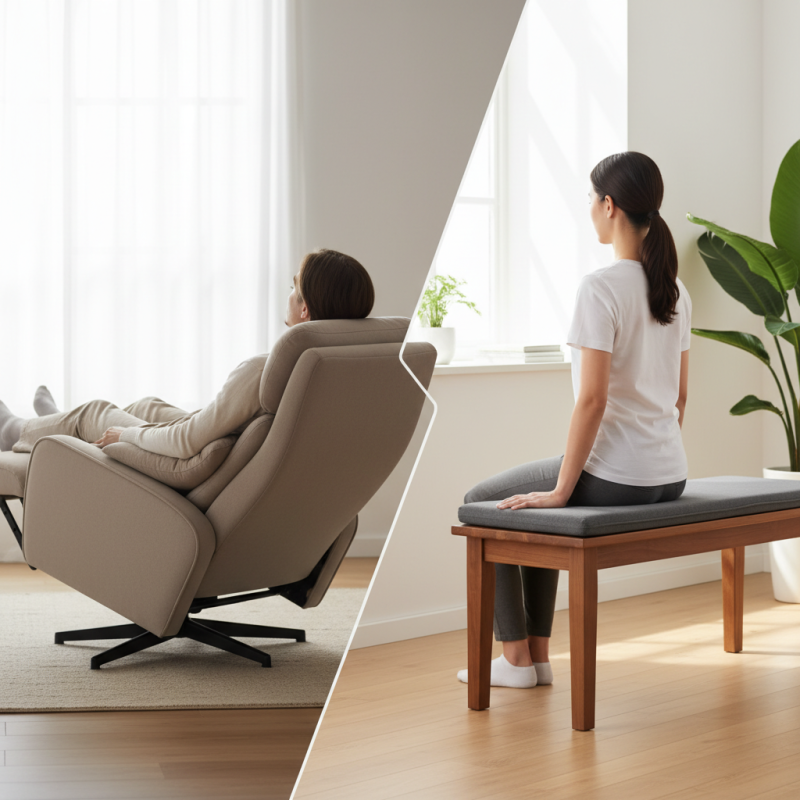
When considering a recliner for back pain relief, it is important to understand its features. A good recliner typically has adjustable positions. This allows users to find their most comfortable angle. Many designs also provide lumbar support. This targeted support can reduce strain on the lower back.
Recliners often feature easier accessibility for those with mobility issues. The ability to elevate the legs can help improve circulation. A recliner can enhance relaxation, which is vital for muscle recovery. However, not all recliners are created equal. Some may lack adequate support. It’s essential to try different models to find what works best.
The experience of using a recliner varies from person to person. Some may find immediate relief, while others might not notice significant benefits. Personal preferences play a huge role. Your height, weight, and existing conditions influence your choice. This is a journey of trial and error. Listening to your body is crucial when selecting the right seating for back pain.
: Benches promote an upright posture, reducing slouching and spinal strain. They may improve overall alignment.
Firmer benches provide better lumbar support, essential for those with chronic back pain. This supports the spine’s natural curve.
Recliners can lead to muscle stiffness and discomfort with extended use. Users may slouch, worsening back issues.
Yes, benches encourage movement between sitting and standing, which promotes better circulation and breaks from prolonged sitting.
Not necessarily. While they offer adjustable comfort, some don’t provide adequate lumbar support for spinal health.
Comfort, personal pain levels, and individual posture responses are crucial. Trying both options can clarify preferences.
Yes, they may lack cushioning, leading to discomfort during long periods of use, especially for those with sensitive backs.
Yes, excessive use can weaken muscles and lead to poor posture. Balance is important for spinal health.
Ergonomics influences posture and spinal alignment. A stable surface can promote better sitting habits, but discomfort may arise.
Listen to your body’s responses. Evaluate how each option affects your posture and comfort over time.
When considering the question, "Is a recliner or a bench better for back pain," it's essential to examine the unique features and benefits of each seating option. Recliners are designed to provide support and comfort, often featuring adjustable angles that promote relaxation and can alleviate pressure on the spine. They are typically equipped with cushioning that conforms to the body, enhancing spinal alignment. In contrast, benches tend to be more minimalist, providing a firm surface that encourages a straight posture, which can also be beneficial for back pain relief in the right contexts.
An in-depth comparative analysis highlights the differing impacts on spinal support and posture. While recliners may offer more immediate comfort through their soft seating, benches can enhance core engagement and promote better alignment. User experiences reveal various success stories and challenges associated with both options, reinforcing the idea that the ideal choice ultimately depends on individual needs and preferences. Consideration of ergonomics is crucial to determine how each choice may impact overall posture and spinal health.

 Nichols furniture