As remote work continues to rise, the importance of a functional home office cannot be overstated. Howard Smith, a renowned ergonomics expert, emphasizes, "A well-designed workspace can significantly enhance your productivity." But when should you consider replacing your home office furniture for better productivity? This question is crucial for anyone who spends hours at their desk.
Many people underestimate the impact of their office setup on their efficiency. Worn-out chairs or impractical desks can lead to discomfort and distractions. Over time, furniture that no longer suits your needs can hamper your focus. The wear and tear on your workspace can be a daily reminder of stagnation. This is a subtle signal that it might be time for a change.
Evaluating your home office furniture before it becomes a productivity barrier is essential. Ask yourself: Is your chair supportive? Is your desk cluttered? Reflection on these factors can lead to positive changes. A refreshed workspace not only inspires creativity but also fosters a healthier work-life balance. Therefore, knowing "when to replace your home office furniture for better productivity" is key to maintaining high performance and comfort in your work environment.
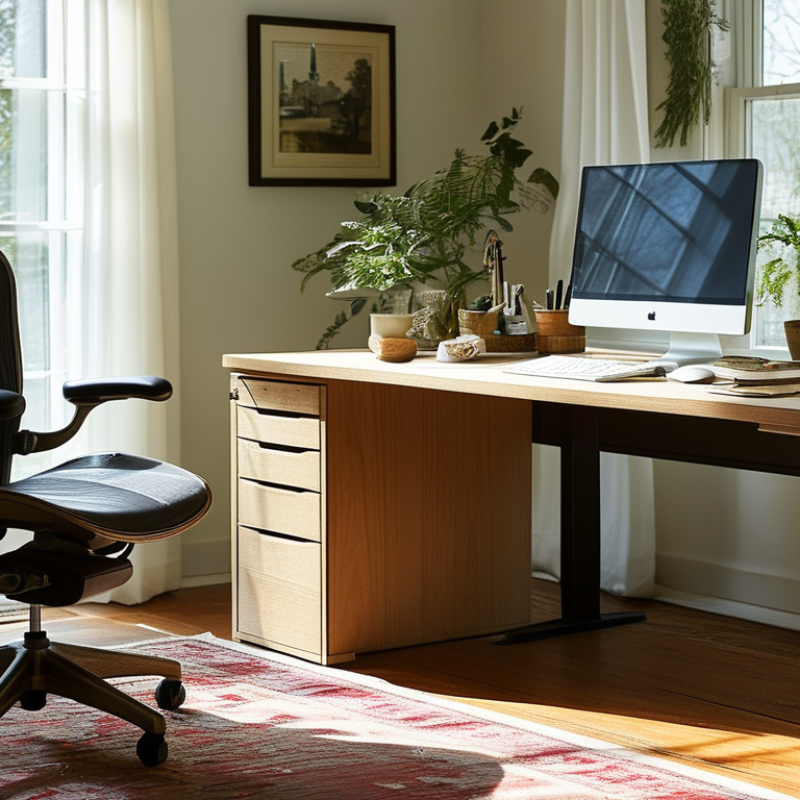
The right office furniture can significantly impact your productivity. One major sign that it’s time for a change is discomfort. A 2022 report by the American Chiropractic Association found that 80% of workers experience back pain due to poor ergonomic setups. If your chair or desk no longer provides support, it may hinder your focus.
Another indicator is visual wear and tear. Scratches, stains, or broken parts can be distracting. According to the Global Workplace Analytics study, office environments with outdated furniture can lead to a 15% decrease in performance. This happens because workers are less motivated in an unattractive space. Regularly assessing the condition of your furniture is essential.
Lastly, consider functionality. If your desk lacks sufficient space or your chair is not adjustable, productivity suffers. A study by the Bureau of Labor Statistics highlighted that 65% of employees felt more productive with functional furniture. If your setups no longer meet your needs, reflecting on replacements could improve your work experience.
The quality of home office furniture significantly affects productivity. Poorly designed chairs and desks can lead to discomfort and distraction. According to a study by the American Psychological Association, 60% of remote workers report decreased productivity due to an uncomfortable workspace. A functional, ergonomic chair promotes better posture, reducing fatigue. This can enhance focus on tasks.
Furthermore, cluttered spaces hinder concentration. A well-organized desk can streamline workflow. Research from the National Safety Council shows that an organized workspace increases productivity by up to 25%. Investing in quality furniture is not just an expense. It’s an investment in health and efficiency. However, many people overlook this aspect, leading to wasted time and energy.
Reflecting on your current setup is crucial. Ask yourself: Does my chair support long hours of work? Is my desk conducive to focus? If the answer is no, it’s time for a change. Upgrading furniture can seem like a daunting task. But the potential boost in productivity is worth the effort. Consider how you can improve your workspace today.
| Furniture Type | Average Lifespan (Years) | Impact on Productivity | Replacement Recommendation |
|---|---|---|---|
| Desk | 7-10 | High | Replace if showing signs of wear or instability |
| Chair | 5-8 | Very High | Replace if uncomfortable or lacks support |
| Storage Cabinet | 10-15 | Moderate | Replace if doors or drawers are damaged |
| Lighting | 5-10 | High | Replace if lighting is insufficient or flickers |
| Accessory Items (e.g., mats, organizers) | 3-5 | Low to Moderate | Replace if worn out or not functional |
When setting up a home office, comfort and ergonomics should always be a priority. Research shows that poor ergonomics can result in diminished productivity, with an estimated 60% of remote workers experiencing discomfort. A well-designed workspace can mitigate this. Adjusting your chair's height to allow your feet to rest flat on the floor is a simple yet effective step.
Consider investing in a desk with adjustable height. Studies indicate that standing desks can improve energy levels and reduce fatigue. In fact, 87% of employees report feeling more productive when their work environment promotes physical comfort. Align your computer monitor at eye level to prevent strain on your neck and back.
Reflecting on your current setup is essential. Are you experiencing any discomfort during long hours of work? This might indicate that change is necessary. Periodically reassess your furniture and layout to ensure your workspace meets ergonomic standards. Note the signs – a stiff neck, sore wrists, or fatigue – can all be indicators of an outdated setup. Prioritize your health for a more productive work experience.
Aesthetics play a crucial role in boosting motivation within your home office. A well-decorated space can significantly impact your daily productivity. Consider choosing colors that stimulate energy and creativity. For instance, vibrant accents like green and orange can evoke a sense of enthusiasm. Even small details, like the artwork on your walls, can make a noticeable difference.
Lighting also influences your workspace’s aesthetics. Natural light can enhance your mood, but not everyone has that luxury. If your office lacks windows, opt for warm-toned light bulbs. They mimic daylight and create an inviting environment. Ideally, each element in your office should resonate with your personal taste. This connection can lead to increased focus and a more enjoyable work experience.
Changing your furniture can also refresh your office's look. An ergonomic chair in a stylish design can uplift your entire workspace. However, remember to balance style with comfort. You might find that an attractive piece doesn't provide the support you need. Reflect on what truly enhances your work. Don't be afraid to experiment; sometimes, the perfect combination takes time to discover.
Replacing home office furniture can significantly impact your productivity. Weighing the cost versus the benefits before making a decision is essential. Quality furniture can improve your comfort, reduce strain, and enhance focus. But it doesn’t come cheap.
When budgeting for furniture, analyze your needs carefully. Consider how often you work from home. Invest in a good chair if you're seated for long hours daily. A standing desk might be ideal for some. Look for ergonomic options that support your posture.
Tip: Set a specific budget. Save up by cutting unnecessary expenses. Prioritize what you truly need. Sometimes, simple upgrades, like a new chair or proper lighting, can lead to better productivity. Keep in mind that cheaper options may not last. Reflect on your work habits to make informed choices. Are you feeling uncomfortable? It might be time for a change.
: Discomfort is a major sign. If your chair or desk lacks support, it hinders focus.
Look for scratches, stains, or broken parts. These can lead to distractions during work.
Environments with old furniture can cause a 15% performance drop. Workers feel less motivated in unattractive spaces.
Poorly designed furniture can lead to discomfort. It distracts workers, reducing efficiency significantly.
Yes. An organized workspace can boost productivity by up to 25%. Clutter often hinders concentration.
Ergonomic chairs promote better posture. This can reduce fatigue and enhance task focus.
Does my chair support long work hours? Is my desk functional and organized for focus?
Many people resist change due to costs or effort. But improved productivity makes it worthwhile.
Ignoring discomfort can lead to decreased productivity. It's essential to address the issue promptly.
When to replace your home office furniture for better productivity is a crucial consideration for anyone working from home. Signs that indicate it may be time for an upgrade include visible wear and tear, discomfort during prolonged use, and a lack of motivation in your workspace. Understanding the impact of furniture quality is essential, as poorly designed or worn-out items can significantly hinder your productivity levels.
Additionally, evaluating comfort and ergonomics plays a vital role in establishing a conducive work environment. Furniture that promotes good posture can enhance focus and reduce fatigue. Aesthetic updates, such as new colors or styles, can further boost your motivation and creativity. Finally, budgeting for furniture replacement demands careful analysis of costs versus benefits to ensure that your investment enhances your overall work efficiency and satisfaction.

Nichols furniture