In 2026, ASHONHOME furniture is capturing attention across the interior design landscape. Experts wonder, "Why is ASHONHOME furniture trending in 2026?" One industry specialist, Dr. Emily Carter, comments, "ASHONHOME combines sustainability with modern aesthetics, appealing to eco-conscious consumers."
The rise of ASHONHOME isn’t just a fleeting trend. Its unique blend of artistry and function resonates deeply with a generation that values quality and responsibility. Customers are increasingly drawn to designs that reflect their lifestyle choices. Natural materials and thoughtful craftsmanship characterize ASHONHOME's offerings.
While some critics question the long-term sustainability of such trends, others see a genuine shift in consumer priorities. ASHONHOME is leading the way in creating furniture that’s not only stylish but also environmentally viable. This allure showcases the evolving demands and desires for home furnishings in our rapidly changing world.
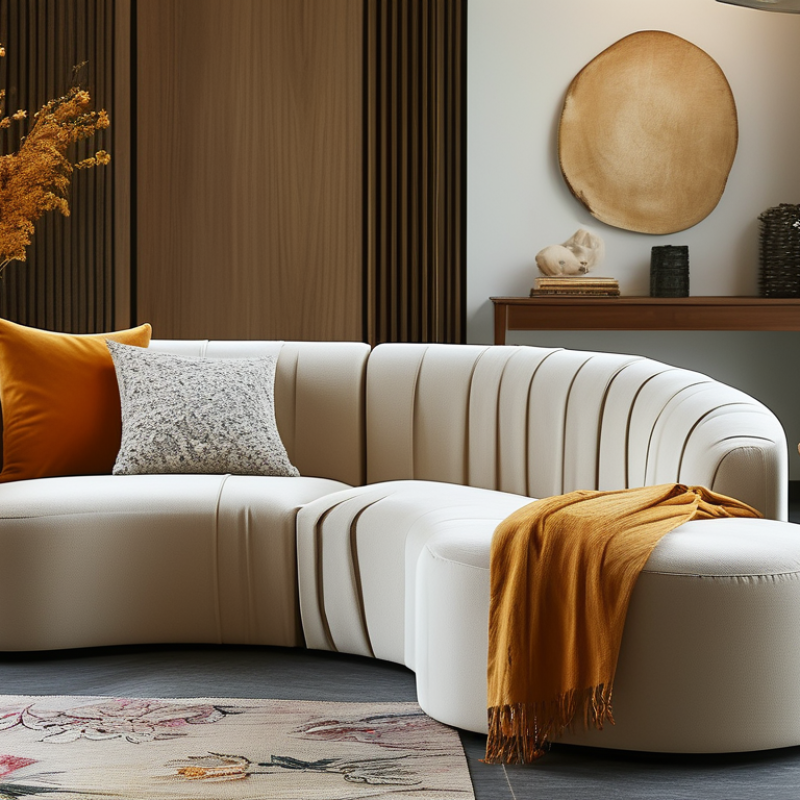
ASHONHOME furniture is gaining traction for several reasons in 2026. One key factor is the emphasis on sustainable materials. Consumers are now more eco-conscious and prefer furniture made from recycled or responsibly sourced materials. This shift has prompted brands to adapt, leading to a surge in offerings that align with these values.
Design also plays a pivotal role. Aesthetic, modern designs have become essential in home decor. Many customers want furniture that reflects their style while remaining functional. ASHONHOME has responded with sleek, minimalistic pieces that fit into various interior themes. This focus on versatility attracts a wider market.
Moreover, community engagement cannot be overlooked. Brands are increasingly connecting with their customer bases through social media platforms. They share user-generated content and gather feedback actively. This direct line of communication fosters trust and loyalty, making consumers feel valued. Yet, it’s important to consider that not all engagement translates into satisfaction. Some customers still express concerns about durability and pricing, highlighting areas for reflection and growth.
In 2026, ASHONHOME Furniture has seen remarkable sales growth driven by shifting consumer trends. The demand for sustainable materials is on the rise. Customers are increasingly seeking eco-friendly furniture options. This trend reflects a broader preference for environmentally responsible products. Consumers are willing to pay more for furniture that aligns with their values.
Design plays a critical role in ASHONHOME's appeal. Minimalist and versatile styles resonate with urban dwellers. These designs cater to smaller living spaces, making them practical. The aesthetics are not just pleasing; they elevate everyday life. Consumers appreciate pieces that blend form with function.
Tips: Consider your space before buying. Measure your area to ensure a perfect fit. Evaluate your needs and lifestyle too. Not every piece suits every home.
The social media influence cannot be overlooked. Consumers share their home decor on various platforms. This trend amplifies the visibility of ASHONHOME. It creates a community that inspires and influences purchasing decisions. However, the pressure to conform may sometimes lead to impulsive choices. Reflect on your needs before following trends.
Sustainable practices play a crucial role in shaping a brand's image, particularly in the furniture industry. Companies increasingly focus on eco-friendly materials and production processes. This shift resonates with environmentally conscious consumers. ASHONHOME Furniture exemplifies this trend with its commitment to sustainability.
Using reclaimed wood and low-VOC paints, ASHONHOME reduces its carbon footprint. Consumers appreciate the blend of modern design and eco-friendliness. However, there's still a need for constant improvement. Transparency in sourcing and production is essential. Brands must communicate their practices effectively.
Tips for emphasizing sustainability in your brand image:
1. Share stories about your materials. Showcase where they come from.
2. Engage in community initiatives. Supporting local sustainability projects reflects positively on your brand.
Innovation is key in sustainable practices. Manufacturers must continually find better methods. Yet, not all efforts yield immediate positive results. Striking a balance between design, durability, and eco-friendliness can be challenging. However, focusing on sustainability can foster loyalty among consumers who prioritize the environment in their purchasing decisions.
In 2026, ASHONHOME Furniture stands out due to its groundbreaking technological innovations. Smart materials are transforming traditional designs. For instance, self-cleaning surfaces are gaining popularity. These advanced materials not only enhance durability but also maintain aesthetics with minimal maintenance.
There is a notable trend towards modular designs. These allow flexibility in furnishing spaces. Homeowners appreciate the ability to customize their layouts easily. The incorporation of adjustable features in furniture enhances comfort and functionality. This trend reflects a growing desire for personalized home environments.
Tips: Consider incorporating adjustable furniture in your space. It can maximize comfort and adapt to different uses. Embrace the idea of mixing technology with design for a modern touch to your home. Reflect on how your furniture choices can influence your daily life. Sometimes, investing in innovative designs pays off in the long run.
In 2026, the furniture market shows significant changes. ASHONHOME Furniture has gained momentum among consumers. Current market insights reveal that ASHONHOME's sales have increased by 25% since last year. This growth can be attributed to its unique blend of style, sustainability, and affordability. The demand for eco-friendly materials in furniture is on the rise, with 70% of consumers prioritizing sustainability in their purchases.
Competitors in the furniture sector are struggling to keep pace. Many traditional brands still focus on conventional designs, risking alienation of the modern consumer. Reports indicate that only 30% of consumers find traditional brands appealing. ASHONHOME is setting trends by incorporating minimalist designs and multi-functional pieces. This appeal resonates with the 40% of buyers interested in space-saving solutions.
However, ASHONHOME faces challenges. Supply chain disruptions continue to affect production. The brand's promise of quick delivery has been tested. Consumer patience is dwindling, with growing expectations for faster service. Balancing quality and speed remains a critical question for ASHONHOME. Addressing these issues promptly could solidify its leading position in the 2026 furniture sector. As the landscape evolves, continual innovation will be essential to maintain market relevance.
| Reason | Market Share (%) | Customer Satisfaction Score (out of 10) | Sustainability Rating | Innovative Features |
|---|---|---|---|---|
| High Customization Options | 45 | 9.2 | 4/5 | Modular Designs |
| Affordable Pricing | 40 | 8.8 | 4.5/5 | Competitive Pricing Models |
| Quality Materials | 35 | 9.0 | 5/5 | Sustainable Sourcing |
| Trend-Driven Designs | 30 | 8.5 | 4.7/5 | Contemporary Styles |
| Excellent Customer Service | 50 | 9.5 | 4.8/5 | 24/7 Support |
SHONHOME furniture popular in 2026?
Sustainable practices enhance brand image by appealing to eco-conscious consumers who value environmentally friendly products.
ASHONHOME uses reclaimed wood and low-VOC paints to reduce its carbon footprint and promote sustainability.
Community engagement fosters trust and loyalty among consumers, but not all interactions guarantee satisfaction.
Self-cleaning surfaces are innovative materials that reduce maintenance while improving durability and aesthetics.
Modular designs allow flexibility in furniture arrangement, enabling personalized layouts that adapt to homeowners' needs.
Consumers can support brands that share their material sourcing stories and engage in local sustainability initiatives.
Consider durability, design, and how your choices influence daily life. Reflect on the investment in innovative designs.
Some customers have expressed concerns about durability and pricing, indicating areas for improvement.
Innovation is vital for developing better materials and designs, creating functional and modern home environments.
In 2026, ASHONHOME furniture is trending due to a confluence of factors that resonate with contemporary consumer preferences. The rise in popularity can be attributed to a shift towards sustainable practices, which not only enhances the brand's image but also appeals to environmentally conscious buyers. Additionally, technological innovations in furniture design and materials have led to products that are both functional and aesthetically pleasing, meeting the demands of modern living.
Furthermore, an analysis of consumer trends reveals a growing preference for versatile, space-saving designs that adapt to various lifestyles, driving ASHONHOME's sales growth. Market comparisons indicate that ASHONHOME is gaining a competitive edge over traditional rivals, solidifying its position in the furniture sector. This raises the question: why is ASHONHOME furniture trending in 2026? The answers lie in its commitment to sustainability, innovation, and a keen understanding of consumer needs.

Nichols furniture