Moving outdoor furniture indoors can refresh a room without requiring an entirely new furniture collection. Woven chairs, teak benches, aluminum tables, and weather-resistant cushions can create relaxed, practical spaces. However, outdoor pieces often have different proportions, finishes, and maintenance needs than indoor furniture. A chair designed for an open patio may feel bulky beside a narrow hallway. Measure carefully.
This guide explains How to transition outdoor furniture to indoor decor while protecting floors, fabrics, and air quality. The process starts with a detailed inspection. Check for trapped moisture, insects, rust, mildew, loose joints, and sharp hardware. Clean each piece according to its material, then allow it to dry completely before bringing it inside. Never ignore a musty smell. It may signal hidden moisture rather than simple surface dirt.
Placement also matters. A teak bench can anchor an entryway, while a powder-coated table may suit a bright breakfast area. Add felt pads beneath chair legs, test cushion colors in natural light, and leave space for comfortable movement. Use washable covers where children or pets are present. Small changes help.
Experience suggests that matching every outdoor item is unnecessary. Contrast can look more intentional than perfect coordination. Still, not every material belongs indoors. Some treated woods, synthetic finishes, or older cushions may release odors or need special care. I have learned that rushing this transition creates avoidable problems. A careful cleaning routine and an honest assessment of each piece usually produce better results than decoration alone. The goal is comfort, safety, and a room that feels lived in.
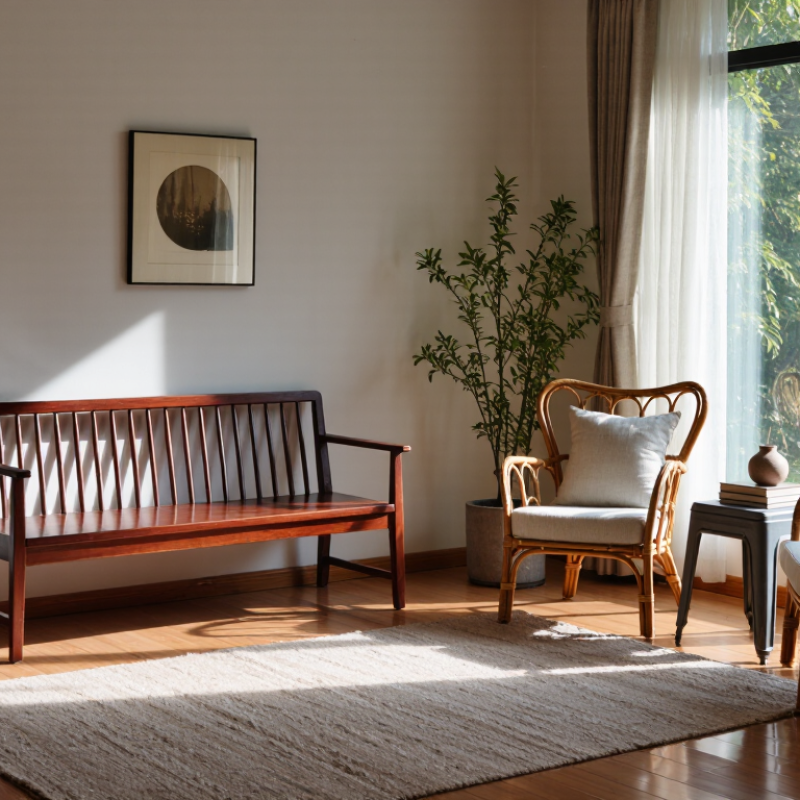
How to Transition Outdoor Furniture to Indoor Decor?
Assessing Which Outdoor Furniture Pieces Work Best Indoors
Not every outdoor piece belongs in a living room. Start with structure, scale, and surface condition. In my experience, compact aluminum chairs, teak stools, and weather-resistant side tables adapt most easily. Their simpler shapes usually suit indoor layouts. Check every joint before moving anything inside. Wobbling becomes more noticeable on a flat interior floor.
Cushioned seating requires closer inspection. Outdoor foam may feel firmer and less breathable than indoor upholstery. Wash removable covers, inspect for hidden mildew, and let everything dry completely. A strong sun-cured smell can linger for days. Measure doorways, stair turns, and available floor space first. I once moved a wide lounge chair indoors, then discovered it blocked a cabinet and narrowed the walkway. That mistake changed how I judge “practical” furniture.
Tips: Choose pieces with clean lines and neutral textures. Place a woven chair near a reading lamp, or use a patio table beside a sofa. Add felt pads under metal or wooden legs. They protect floors and reduce scraping sounds. Avoid heavily damaged finishes, unstable frames, and fabrics that cannot be cleaned. Outdoor furniture can add character, but its original purpose still matters. I sometimes prefer one imperfect stool over a matching set, though that choice may look less polished.
Moving outdoor furniture indoors can refresh a room, but cleaning must come before styling. Dust hides beneath frames, while pollen collects inside woven surfaces. Start by removing cushions, loose covers, and detachable hardware. Shake fabrics outdoors, then vacuum seams and corners with a soft brush.
Check every piece for mold, rust, insects, and trapped moisture. Use mild soap with warm water on suitable frames, and test a hidden area first. A soft toothbrush can reach joints and textured surfaces. Avoid soaking wood or untreated metal. I once rushed this step and noticed a stale smell days later. It was frustrating, but the lesson was clear: clean less aggressively, yet inspect more carefully.
Rinse only when the material allows it, then wipe away soap residue. Let each item dry completely in moving air before bringing it inside. Dry means fully dry. Do not rush. Cushions may need a full day, especially after washing. Read the care label or original maintenance guidance before using disinfectants, oils, or fabric treatments. Some coatings react badly to household cleaners. Tighten loose screws, replace damaged glides, and add felt pads beneath the legs. These small repairs protect indoor floors and reduce wobbling. Place a washable mat underneath during the first week. It can reveal hidden dust, dampness, or shedding fibers before they reach the room.
| Furniture Material | Initial Inspection | Recommended Cleaning Method | Drying Requirement | Indoor Preparation | Key Safety or Care Considerations |
|---|---|---|---|---|---|
| Solid Wood | Check for moisture, mold, insects, loose joints, cracks, and splinters. | Remove loose dirt with a soft brush. Wipe with mild soap diluted in water, then rinse lightly with a clean, damp cloth. | 24–48 hours | Lightly sand rough areas, tighten hardware, and apply a suitable interior-safe wood conditioner if needed. | Do not place damp wood on carpets or against painted walls. Avoid excessive water, which can cause swelling or joint damage. |
| Wicker or Rattan | Look for broken strands, trapped debris, mildew, and weakened or loose sections. | Vacuum using a brush attachment. Clean with a soft cloth and mild soapy water; use a soft toothbrush for woven areas. | 24–48 hours | Repair or secure loose weaving and add felt pads to protect indoor flooring. | Avoid soaking the frame or using high-pressure water, as excess moisture may distort natural fibers. |
| Metal | Inspect for rust, peeling coating, sharp edges, loose fasteners, and signs of corrosion. | Wipe with mild detergent and water. Dry immediately with a clean towel; remove surface rust with a fine abrasive pad when appropriate. | 2–6 hours | Touch up exposed areas with a compatible finish and place protective pads beneath the legs. | Ensure the frame is completely dry before moving it indoors. Rust residue can stain flooring and fabrics. |
| Aluminum | Check for oxidation, dents, loose joints, and damaged protective coatings. | Wash with mild soap and water using a soft sponge, then rinse with clean water and dry thoroughly. | 2–6 hours | Tighten fittings and use non-marking floor protectors. Clean oxidation carefully without removing the finish. | Avoid abrasive cleaners and steel wool, which can scratch aluminum surfaces. |
| Plastic or Resin | Check for cracks, brittleness, deep stains, and discoloration caused by ultraviolet exposure. | Use mild detergent, warm water, and a non-abrasive sponge. Rinse and wipe dry. | 2–4 hours | Remove detachable cushions, clean underneath the frame, and use pads to prevent floor scuffing. | Avoid strong solvents and excessive heat, which may discolor, soften, or deform the material. |
| Outdoor Upholstery | Check for stains, mildew odor, trapped moisture, torn seams, and deteriorated foam. | Follow the care label. Vacuum first, spot-clean with mild soap and water, and rinse without saturating the cushion. | 24–72 hours | Dry covers and inserts separately when possible. Use only fully dry cushions indoors. | Do not store or use damp cushions indoors because retained moisture can promote mildew and odor. |
| Glass Tabletops | Inspect both sides and edges for chips, cracks, sharp points, or unstable supports. | Clean with a non-abrasive glass cleaner or mild soap solution and a lint-free cloth. | 30–60 minutes | Use protective bumpers and confirm that the supporting frame is level and stable. | Do not use damaged glass indoors. Carry large panels with two people and avoid placing them directly on hard surfaces. |
| All Materials | Measure doorways, hallways, stairways, and the intended indoor location before moving the furniture. | Clean underneath, behind, and inside storage areas. Remove soil, insects, leaves, and outdoor accessories. | Before installation | Add felt pads or rubber protectors, check stability, and keep furniture away from radiators, vents, and persistent moisture. | Do not bring furniture indoors if it has active mold, pest infestation, structural damage, or an unresolved strong chemical odor. |
Outdoor furniture can become convincing indoor decor when its materials receive careful adjustment. Clean every frame before moving it inside. Outdoor pieces often carry grit, pollen, and hidden moisture. Let wood, metal, and woven surfaces dry completely.
Wood may need a gentler indoor finish. Heavy exterior sealants can look glossy or feel tacky under warm lighting. Test a small, hidden area first. Metal should be checked for early rust, especially around joints and screw holes. A soft protective coating can preserve the surface without making it appear overly industrial. Natural fiber furniture needs extra caution because indoor humidity changes can cause shrinking or loosening. I would not assume a piece is ready after one afternoon of cleaning.
Tips: Replace outdoor cushions with breathable indoor inserts when possible. Outdoor foam often resists water but feels firm indoors. Choose covers with a softer weave and colors that suit nearby walls. Check the cushion depth before ordering replacements. A few centimeters can affect comfort.
Finishes should match the room’s light. Matte surfaces usually appear calmer than reflective coatings. Sand sharp edges and inspect exposed fasteners before placing furniture near children or delicate flooring. Add felt pads beneath legs, but check them regularly for trapped dust. Cushion color is another practical decision. Pale fabrics brighten a room, yet they reveal marks quickly. Darker textiles hide wear but may make compact spaces feel heavier. The best choice is rarely perfect. It should remain comfortable, maintainable, and honest about the furniture’s original outdoor character.
Before moving outdoor furniture indoors, compare its dimensions with common residential furniture standards. Seat height, seat depth, and table height are especially important for comfort and visual balance. Use these ranges as a practical reference and measure each piece before adapting its materials, finish, or cushions.
Moving outdoor furniture indoors can refresh a room, but placement should follow function, not appearance. A deep lounge chair may look inviting near a window, yet block the route to a balcony or cabinet. Measure the furniture, door swings, and walking paths before carrying anything inside. The National Kitchen and Bath Association recommends 36-inch walkways and 42-inch work aisles in active areas. These figures offer a useful starting point for living rooms, entryways, and dining spaces.
Define each zone with purpose. Place a weather-resistant sofa around conversation, not against every wall. Keep a clear path between the entrance, seating, and storage. A compact outdoor table can become a reading desk, but leave knee space beneath it. The American Society of Interior Designers’ 2024 Trends Outlook highlights adaptable, multifunctional spaces as an ongoing homeowner priority. That supports flexible placement, especially in smaller homes. Still, a crowded room feels less useful.
Test the arrangement for one day. Walk through it while carrying a cup or opening a drawer. Notice the awkward moments. I once placed a broad chair beside a hallway and regretted it immediately. It looked balanced in a photograph, but daily movement became frustrating. Rearrange pieces in small steps, and keep heavier items away from narrow routes. Soft lighting and a small rug can define the furniture group without adding obstacles.
Outdoor furniture can look surprisingly natural indoors when its materials guide the room’s direction. I often begin with one substantial piece, such as a woven lounge chair or slatted wood table. Its texture becomes the visual anchor. Keep surrounding colors quiet: warm white walls, sand-colored rugs, and muted olive cushions. This prevents the space from feeling like a patio moved inside. Not every outdoor piece belongs indoors. That is worth admitting.
Match scale before color. A deep outdoor sofa needs a generous coffee table and enough walking space. Measure both before rearranging anything. For a balanced scheme, repeat one material twice. Pair woven seating with a cane lamp, or place a stone tabletop beside ceramic accessories. Add indoor textiles carefully. A tailored cushion, soft throw, and lined curtain can reduce the furniture’s utilitarian appearance. Contrast often works better than perfect coordination. Polished wood beside textured rope feels considered, not staged.
Lighting changes the result more than expected. Place a floor lamp near a chair and use warm bulbs to soften hard frames. Check ventilation and protect indoor floors with discreet pads. Outdoor finishes may shed dust, retain moisture, or release strong odors after storage. Clean and dry every item before bringing it inside. Test fabric colors in daylight and evening light; some shades become unexpectedly dull. My own mistake was adding too many natural textures at once. The room looked busy. Removing one basket fixed more than another decoration could.
Remove cushions, loose covers, and detachable hardware. Shake fabrics outdoors. Vacuum seams and corners with a soft brush.
Check for mold, rust, insects, trapped moisture, loose screws, and damaged leg glides. Look underneath frames, too.
Use mild soap and warm water when the material allows it. Test a hidden area first.
Use a soft toothbrush for joints and grooves. Work gently. Aggressive scrubbing can damage finishes.
Rinse only materials that allow it. Wipe away soap residue, then let each piece dry in moving air.
It must be fully dry. Cushions may need a full day after washing.
Tighten loose screws and replace damaged glides. Add felt pads beneath the legs. Use a washable mat during the first week.
Let one substantial piece guide the room. Repeat one material twice, then keep nearby colors quiet.
Match scale before color. Measure the furniture, coffee table, and walking space before rearranging anything.
Avoid adding too many natural textures. I once used too many baskets, and the room looked busy. Removing one helped.
How to transition outdoor furniture to indoor decor begins with selecting pieces that offer comfort, suitable proportions, and a style that complements the room. Evaluate each item’s size, structure, and visual character before bringing it inside. Clean every surface thoroughly, remove outdoor residue, repair minor damage, and allow materials to dry completely. Cushions should be refreshed, checked for odors, and fitted with indoor-friendly covers when needed.
Once prepared, consider how wood, metal, woven fibers, and finishes will interact with the interior environment. Protective treatments may need adjustment, while fabrics and cushions can be updated for greater softness and cohesion. Arrange the furniture according to the room’s purpose, preserving clear pathways and practical traffic flow. Finally, connect the pieces to the existing decor through coordinated colors, layered textiles, lighting, artwork, and accessories. With thoughtful preparation and styling, outdoor furniture can become a comfortable, functional, and distinctive part of an indoor living space.

Nichols furniture